Author: Ashley E.B. Taylor
-
Part IV, Post 8 – Generations Bound by Violence

The violence that culminated at Point Pleasant did not begin in 1774. Through captivity, diplomacy, and survival along Virginia’s New River frontier, the Ingles family witnessed nearly two decades of escalating conflict that hardened the borderlands long before formal war arrived. From Draper’s Meadows to Burke’s Garden, their story reveals how empire, fear, and endurance… Read more
-
Part IV, Post 7 – Melancholy Intelligence from Sinking Creek
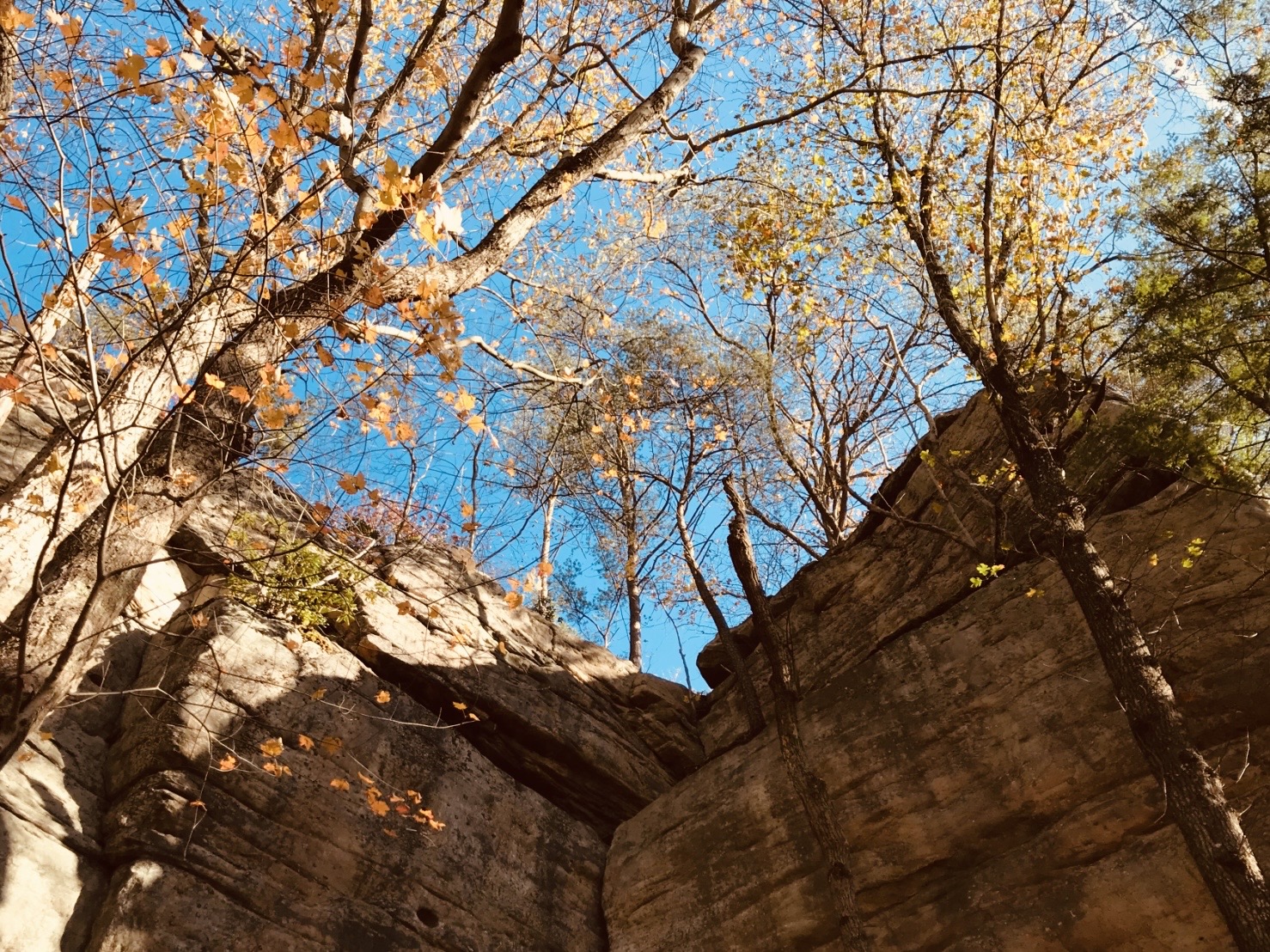
Flowing north toward the Ohio, the New River organized travel, settlement, and vulnerability across Virginia’s southern frontier. By the summer of 1774, the uneasy coexistence between Native nations and Anglo-European settlers had begun to fracture. When violence came to Sinking Creek that August, it revealed a borderland already hardening toward war. Read more
-
Part IV, Post 6 – Attack on Wakatomika
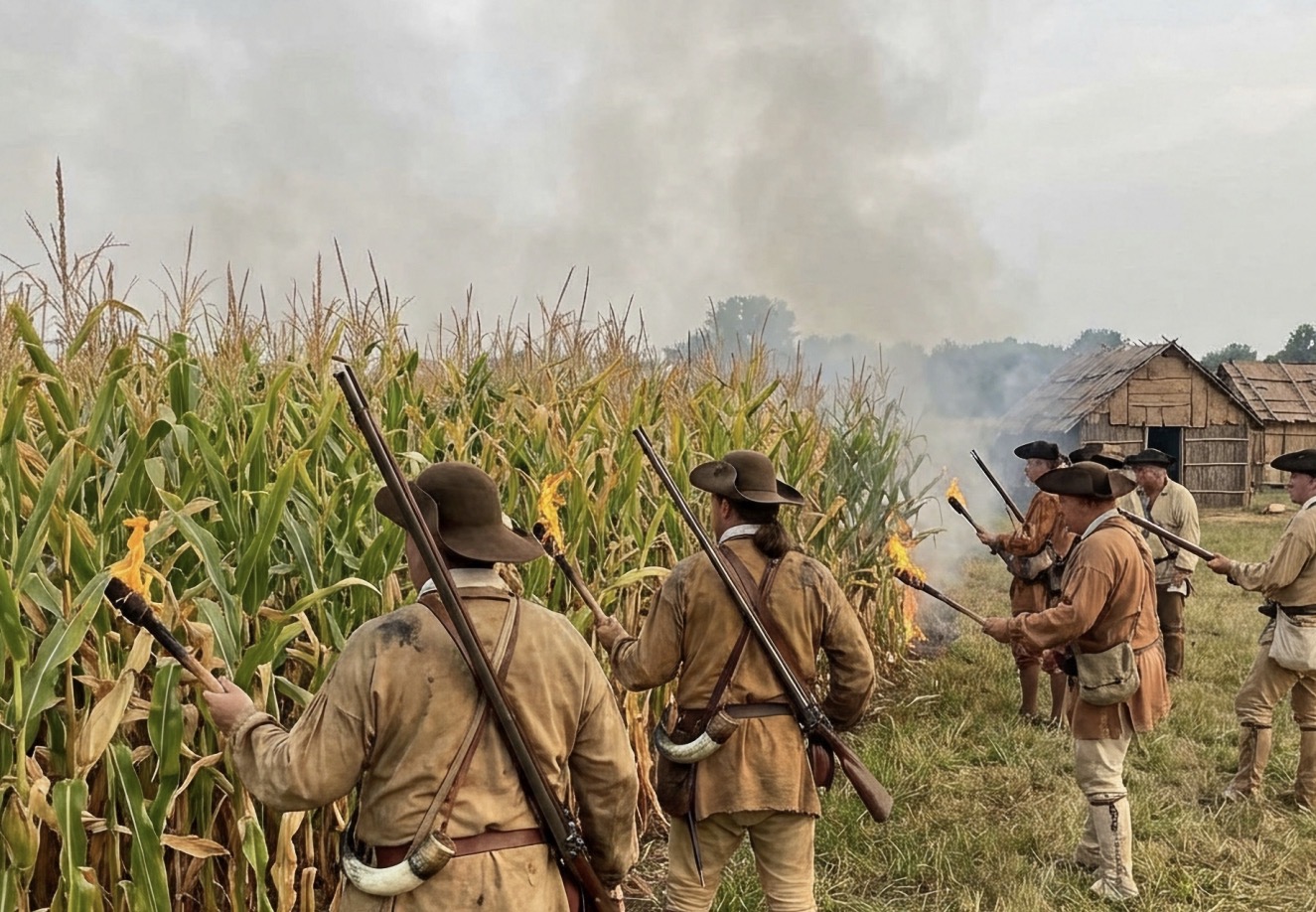
In the summer of 1774 Virginia militia marched deep into the Muskingum Valley and destroyed Wakatomika, a community shaped by migration, diplomacy, and healing. Its burning marked more than the fall of a village; it revealed how fragile neutrality had become on the Ohio frontier. Read more
-
Part IV, Post 5 – Adoption and Ashes
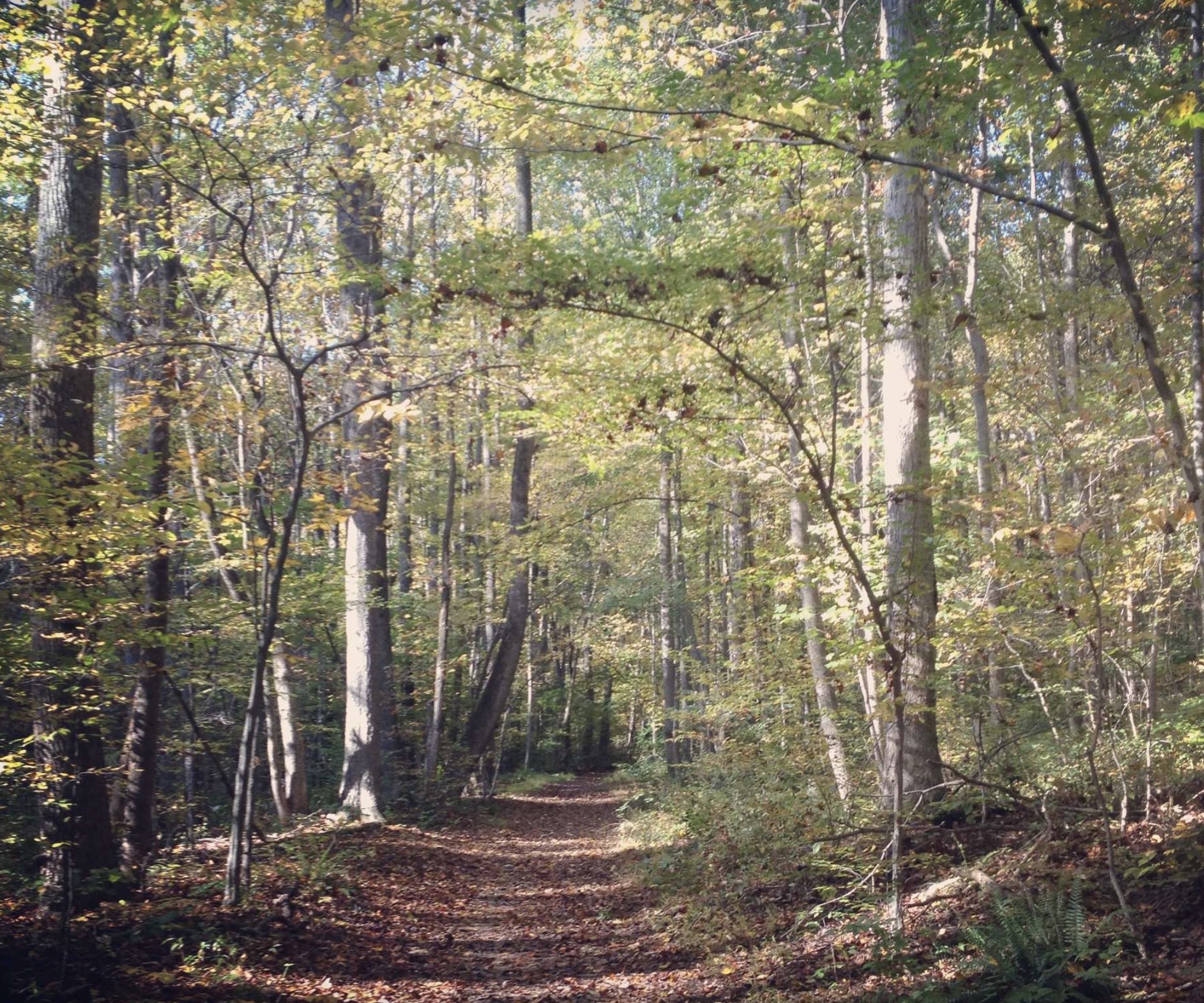
In the summer of 1774, retaliation moved through the Ohio Valley with devastating reach. Captivity, adoption, and the deaths of children reveal a frontier where survival and destruction often existed side by side. Read more
-
Part IV, Post 4 – The Cold Blanket of Fear and the Cunning

On the frontier, belief was not ornamental—it was explanatory. Where institutions failed to reach, people turned to inherited knowledge, whispered remedies, and neighbors who understood what fear could not articulate Read more
-
Part IV, Post 3 – Circles of Belonging, Lines of Defense

In the weeks after Yellow Creek, fear reshaped the frontier. Families fled, others fortified together, and belonging hardened into lines of defense as settlers came to believe that war was no longer approaching, but already upon them. Read more
-
Part IV, Post 2 – Uncovering a Buried Legacy: Mounds, Memory, and Fear on the Eve of Lord Dunmore’s War
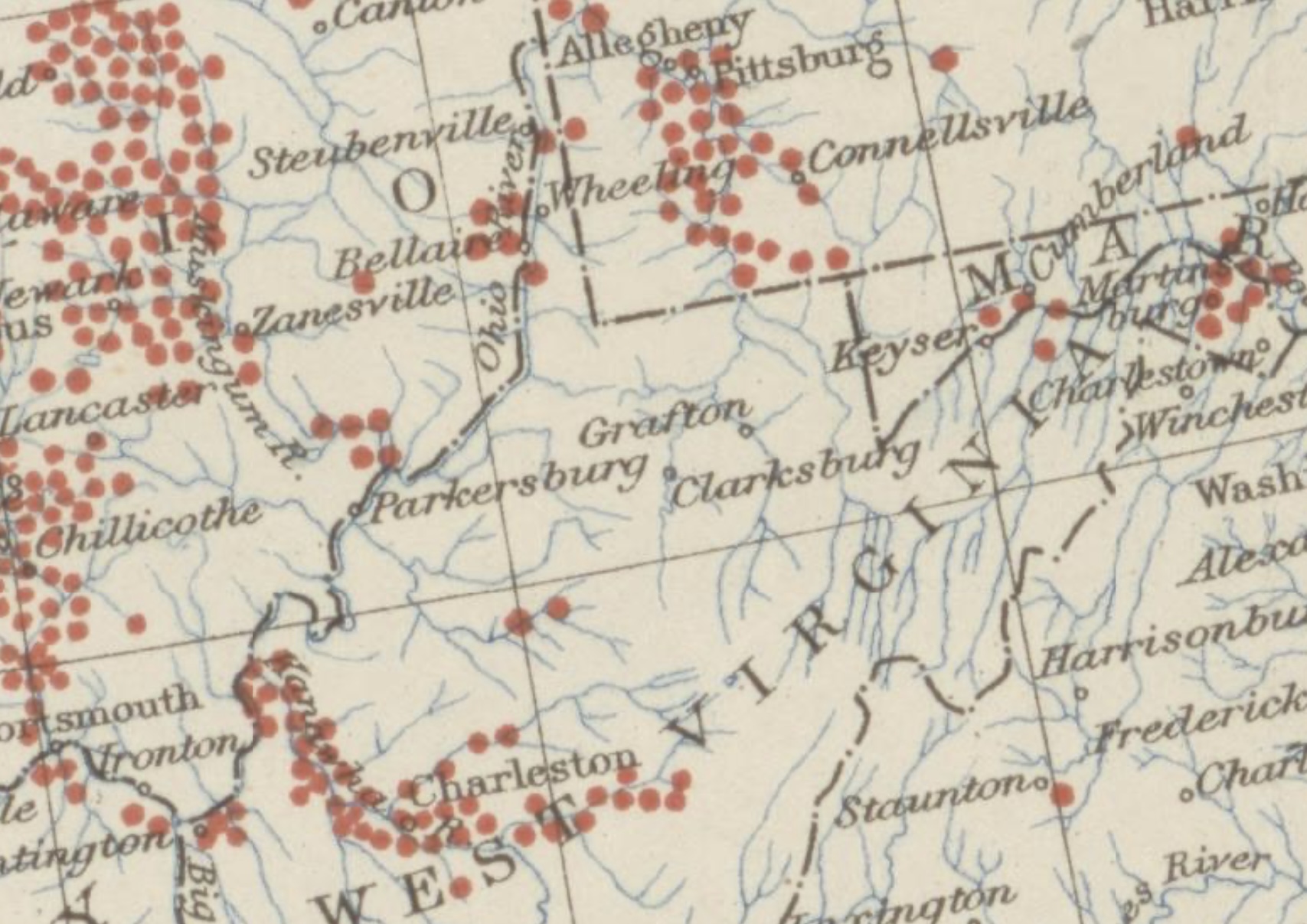
Long before frontier violence erupted, settlers moved through a land already marked by older worlds—earthen mounds, carved stone, and visible traces of Indigenous presence. These were not relics of a distant past, but reminders that the Ohio Valley was neither empty nor forgotten, and that fear did not arise in a vacuum. Read more
-
Part IV, Post 1 – Concealed by Silence
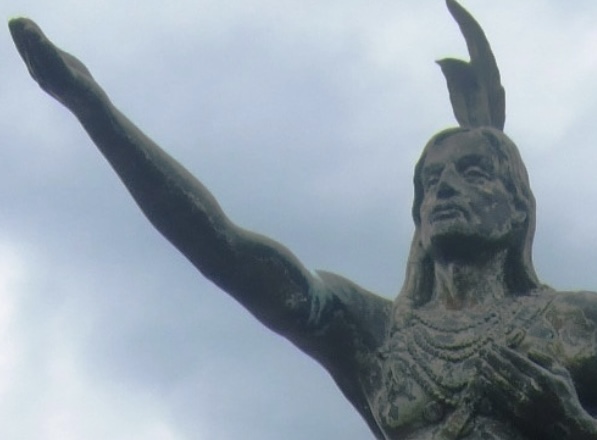
Before violence overtook the Ohio Valley, the land itself carried older histories settlers could not ignore. Mounds, middens, and carved stone marked a world already lived in, remembered, and sacred. This post examines how fear, silence, and erasure shaped settler perceptions—and why the frontier was never empty. Read more
-
Part III, Post 13 – The River Remembers: A Recap of Part III
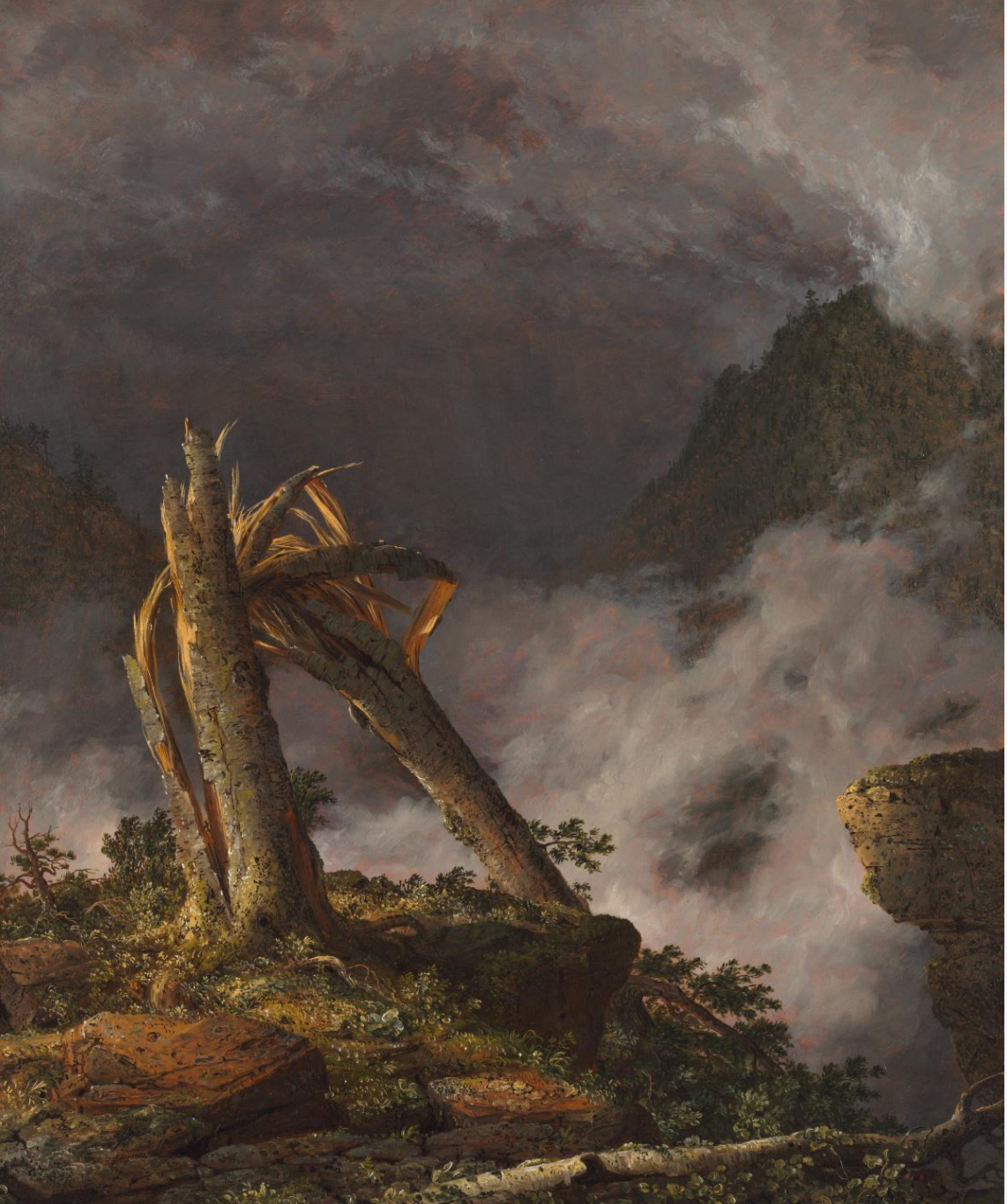
Part III traces the moment the Ohio frontier crossed a line it could not return from. Fear stopped warning and started directing action. Violence became deliberate, authority informal, and peace was exposed as an illusion long before it finally collapsed at Yellow Creek Read more
-
Part III, Post 12 -World Cracking Apart
In late April 1774, a fragile frontier order collapsed at the mouth of Yellow Creek. What followed was not a misunderstanding or a moment of panic, but betrayal carried out with intention. As fear hardened into violence, the illusion of peace along the Ohio River finally shattered, leaving behind a frontier that could no longer… Read more
-
Part III, Post 11 – Murder at Yellow Creek
In the spring of 1774, a small Ohio Haudenosaunee family crossed the Ohio River expecting conversation, not death. What followed at Baker’s Bottom was not a battle or a misunderstanding, but a deliberate act of murder—planned, executed, and later rationalized as necessity. The killings at Yellow Creek did not ignite frontier violence so much as… Read more
-
Part III, Post 10 – Eyes Turned West
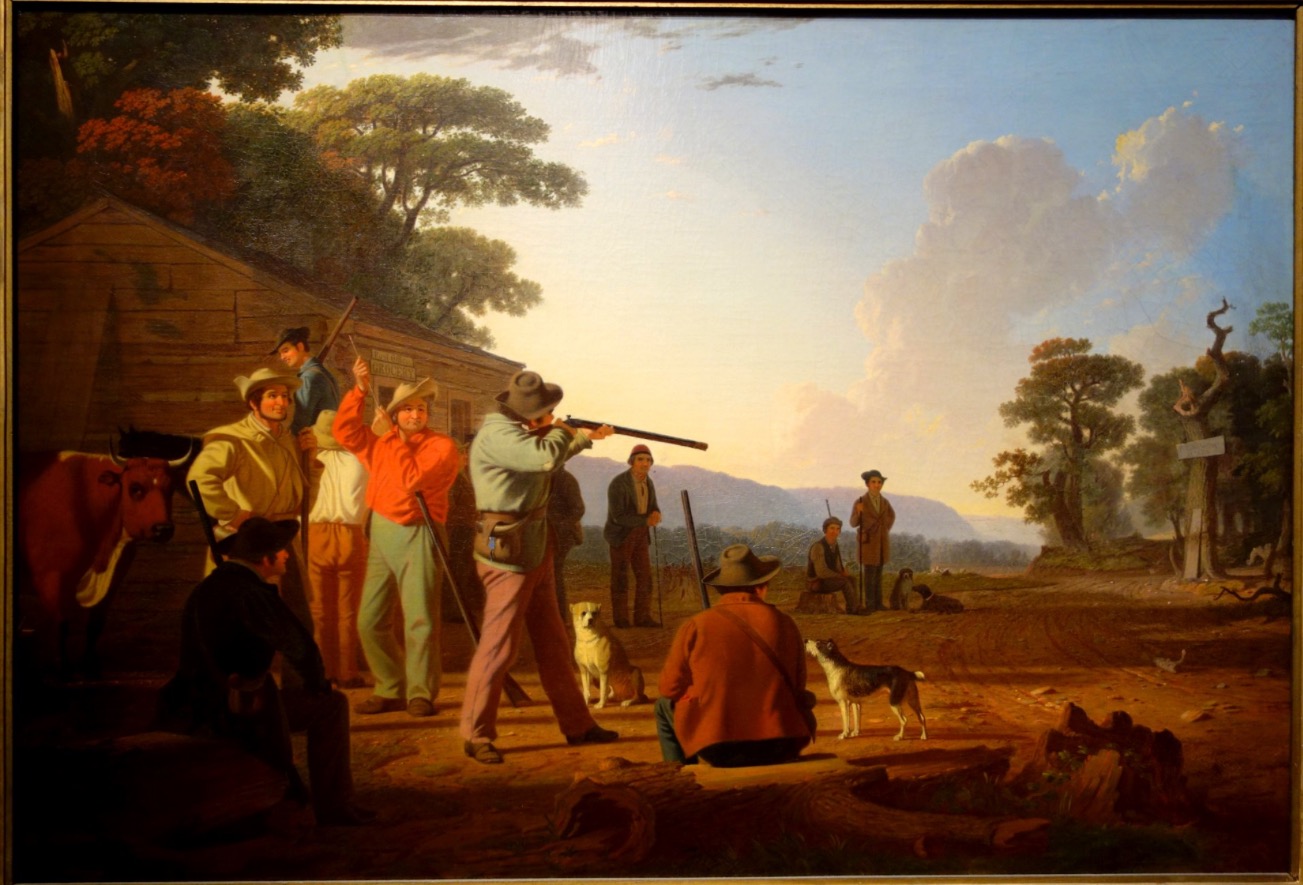
Michael Myers lived long enough to remember what the frontier later chose to forget. In his telling, violence did not erupt suddenly—it accumulated through trespass, fear, and unpunished killing. As settlers pressed west, responsibility dissolved behind them, and bloodshed became proof that violence worked. Read more
-
6. Scenes of Empire: The 1903 Delhi Durbar

At the 1903 Delhi Durbar, Gertrude Bell moved through a world shaped by imperial ceremony, hierarchy, and performance. Her letters and photographs record empire not as abstraction, but as lived experience—through spectacle, education, and everyday instruction. India marked a shift in Bell’s position as an observer: she was no longer merely encountering difference, but moving… Read more
-
5. The Industrialization of Travel: Gertrude Bell and the Changing Culture of Movement

At the turn of the twentieth century, travel was no longer defined solely by skill, risk, or endurance. Railways, steamships, guidebooks, and imperial infrastructure were transforming movement into a managed system. Gertrude Bell came of age within this transition. Whether climbing Alpine peaks or moving through the biblical landscapes of the eastern Mediterranean, she positioned… Read more
-
Part III, Post 9 – The Smoldering Frontier: Wheeling, 1774
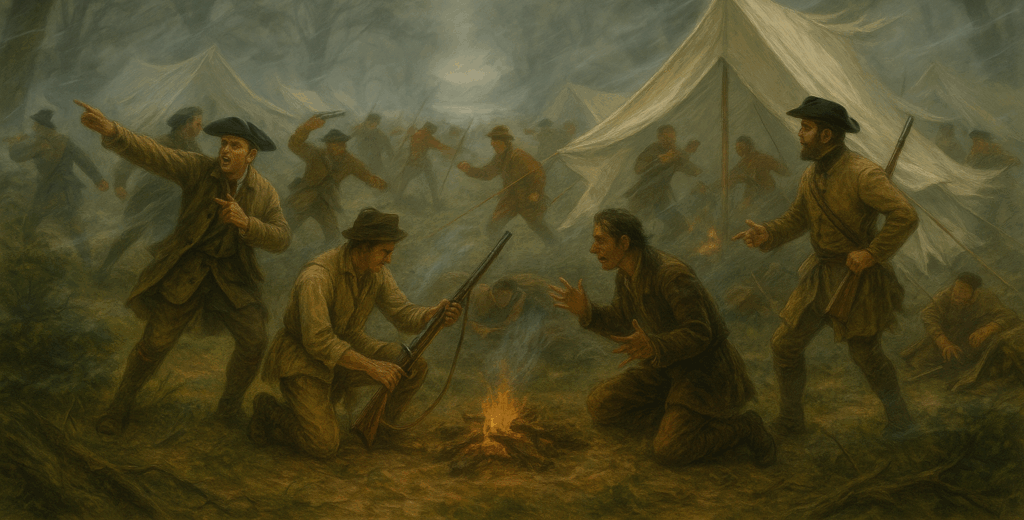
Wheeling in April 1774 seethed with rumor, fear, and frontier ambition. When traders were killed on the Ohio, panic ignited a chain of reprisals that pushed settlers and Native nations toward the edge of war. Read more