Author: Ashley E.B. Taylor
-
Part III, Post 8 – Michael Cresap and the Edge of War

Michael Cresap was born on the frontier, and had America’s war of rebellion not intervened, he would almost certainly have died there too. For more than 250 years, his name has echoed in the histories of the Ohio Valley—sometimes as a pioneer, sometimes as a villain. During the 2025 American Historical Association Conference in New Read more
-
Part III, Post 7 – Fear Forward: A Frontier Education
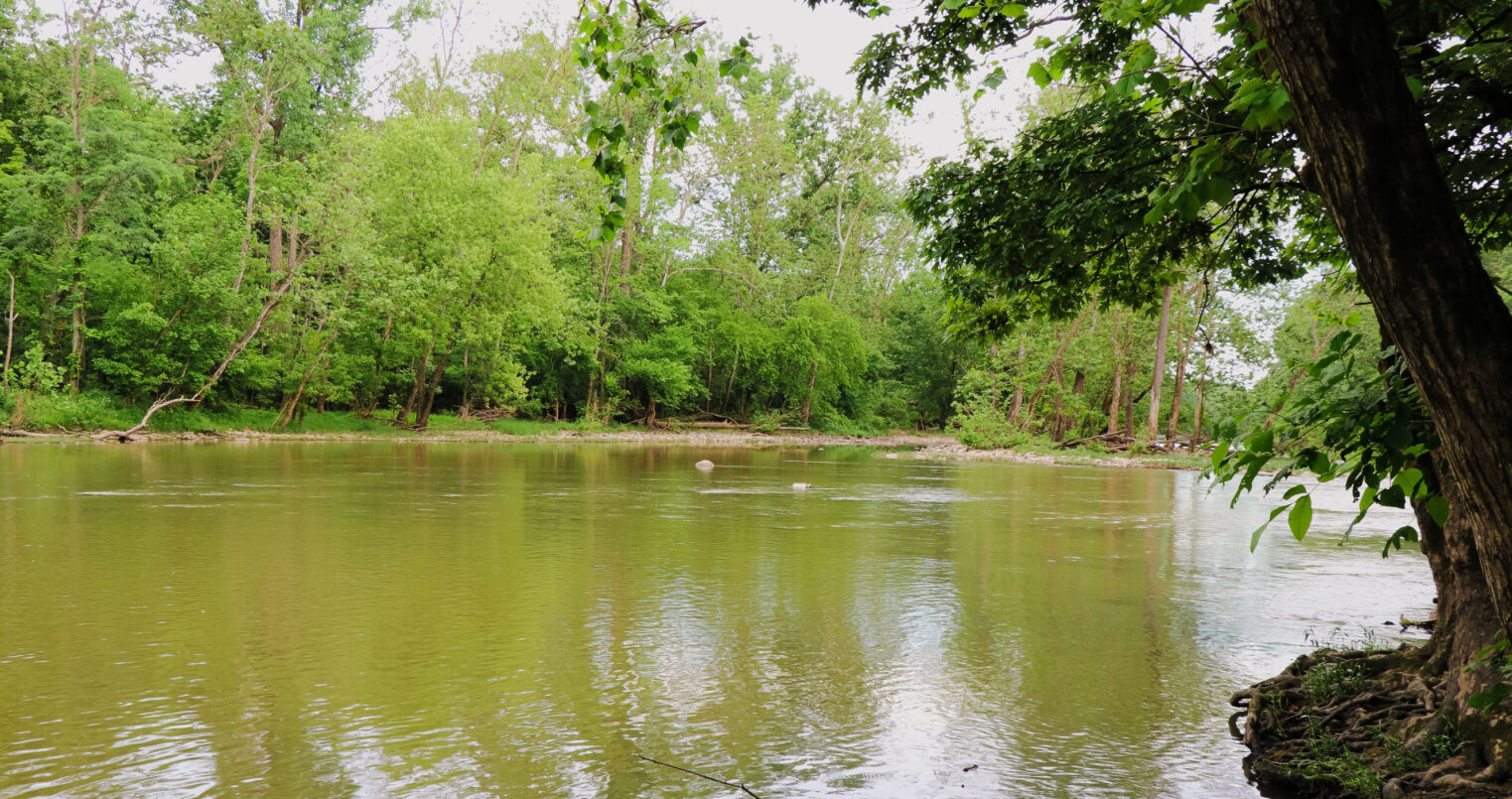
In the months between the Russell Massacre of 1773 and the Yellow Creek killings of 1774, the Ohio frontier underwent a subtle but catastrophic transformation. Violence no longer needed a cause—only an expectation. Fear became strategy, rumor became evidence, and men learned to act first lest they be struck later. This post follows that shift… Read more
-
4. Gertrude’s First Trip Around the World

As the nineteenth century drew to a close, Gertrude Bell moved through a world structured by geopolitics, class, religion, gender, and race. For someone of her wealth, nationality, and family support, nearly all of these hierarchies aligned in her favor. Gender posed the primary limitation, but even this constraint was softened by inherited social gains… Read more
-
Part III, Post 6 – How the Frontier Learned to Read Violence—and Act First
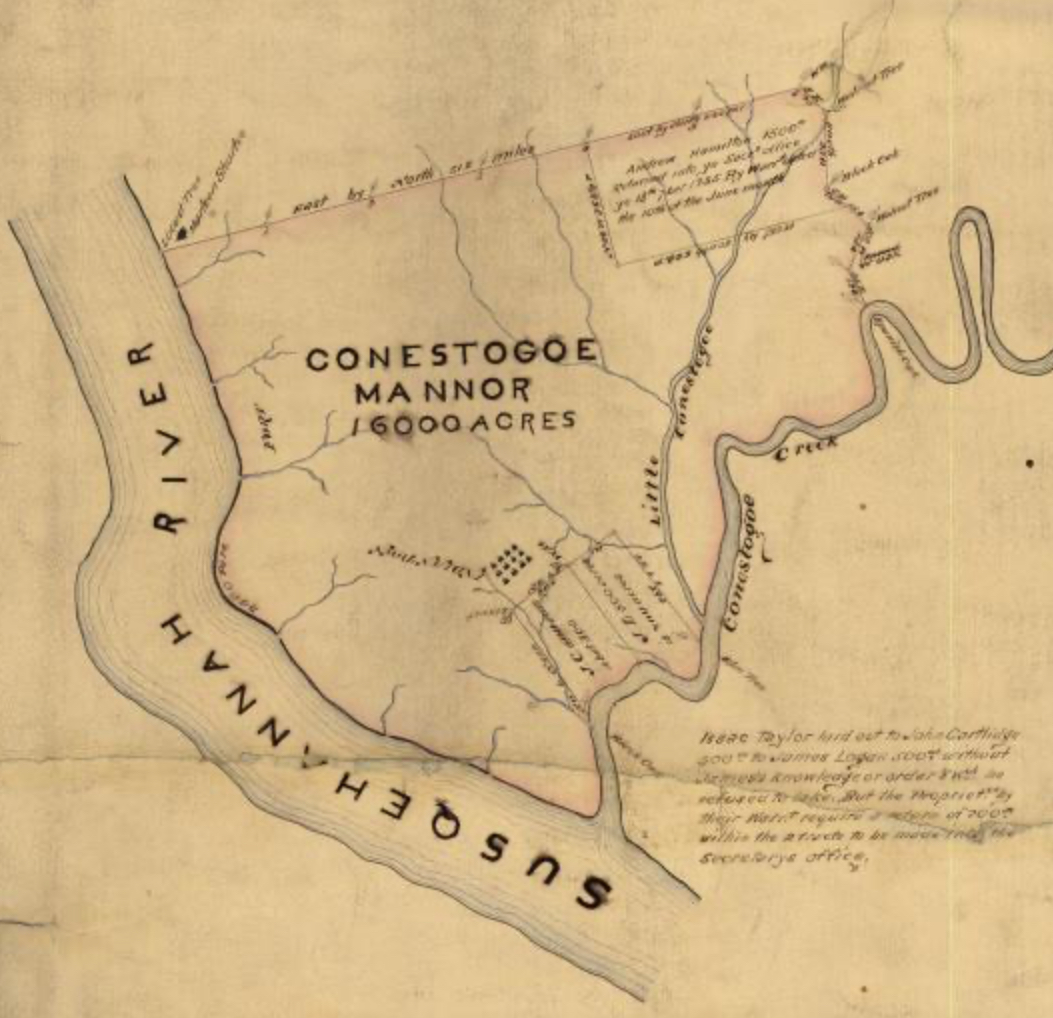
By the early 1770s, the Ohio frontier had developed its own grammar of danger. Rumor carried as much weight as fact, and communities learned to read every disappearance, insult, or gunshot as a sign of coming war. This post explores how fear reshaped decision-making and pushed both settlers and Native nations toward preemptive violence Read more
-
Part III, Post 5 – Interdependence and the Frontier Order
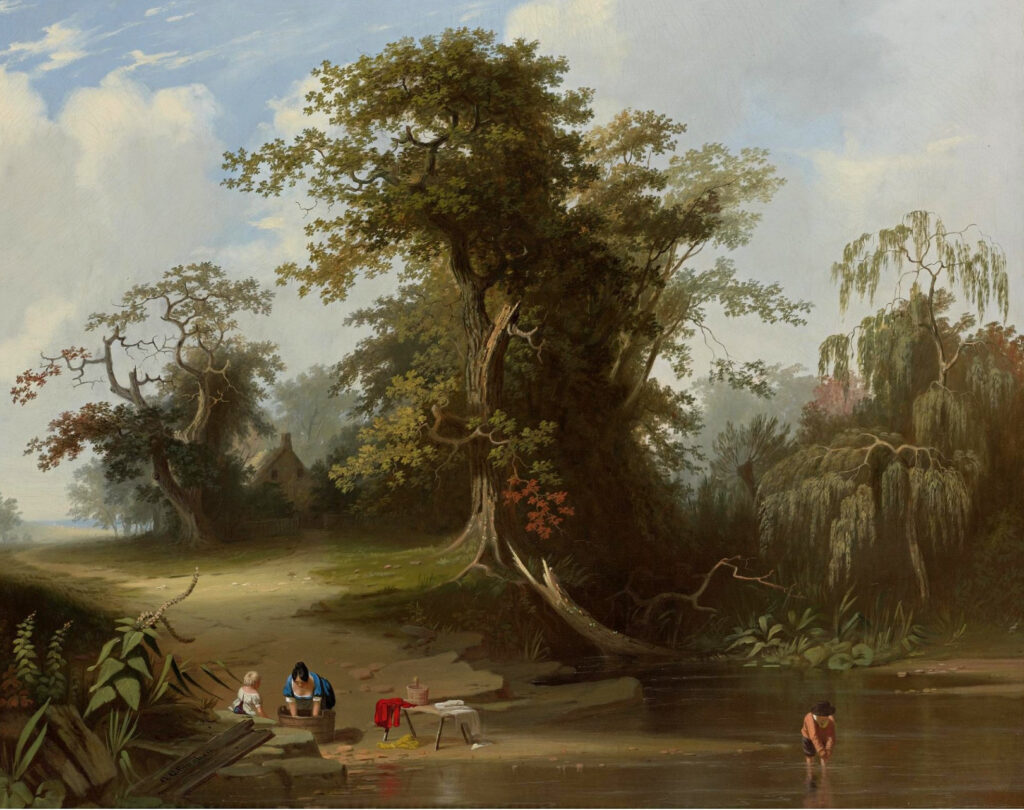
The frontier was never a place of isolation but of constant exchange—material, political, and personal. This post traces the fragile web of interdependence linking settlers, Native nations, traders, and colonial authorities, revealing how cooperation and conflict created the unstable order that defined the Ohio Valley on the eve of Dunmore’s War. Read more
-
Homes of Founding Fathers: A Holiday Tradition – 02
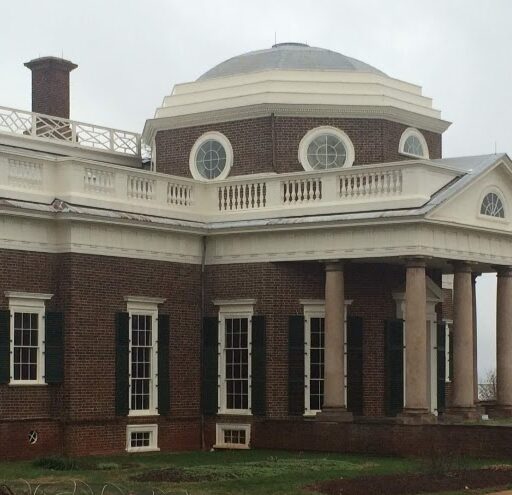
A decade apart, two visits to Monticello and Mount Vernon reveal more than architectural differences. They expose how ideas, labor, and interpretation shape the way we remember the Founding Fathers—and how those stories continue to change with time. Read more
-
Part III, Post 4 – Frontier Capitalism: Turning Land into Power
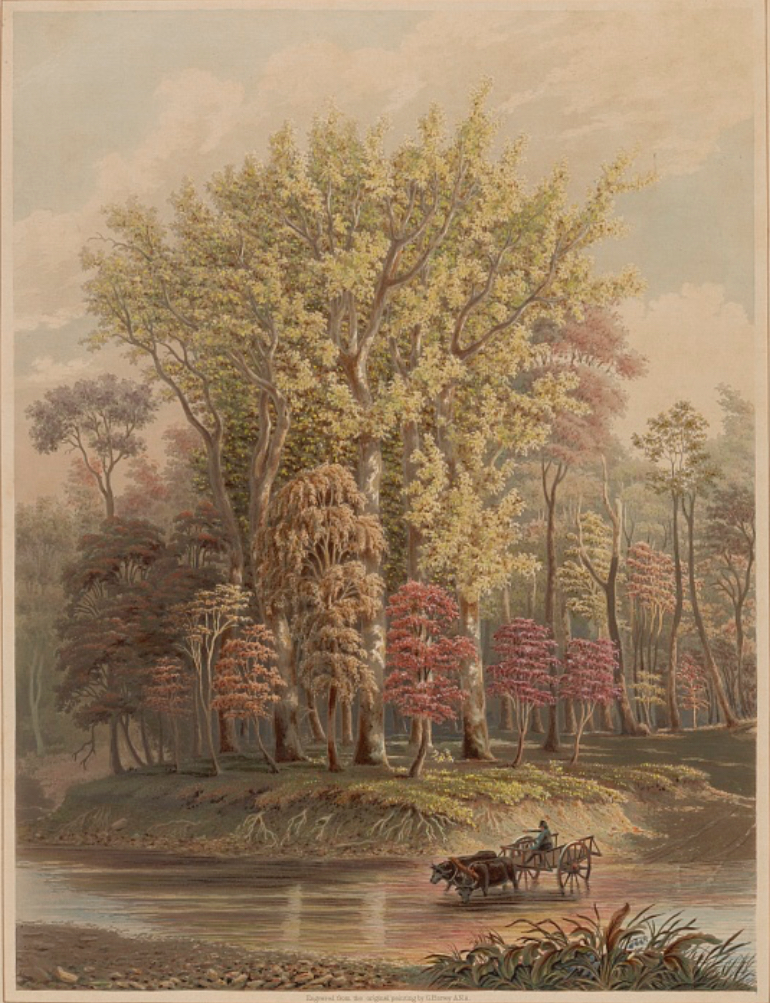
Land on the 18th-century frontier wasn’t just a resource — it was a currency, a weapon, and the foundation of every emerging hierarchy. In the Ohio Valley, families, speculators, and colonial officers learned to convert acreage into political influence, social standing, and generational power. This post explores how capitalism took root not through markets, but… Read more
-
Part III, Post 3 – Claim, Kinship, and Community: Order in the Backcountry
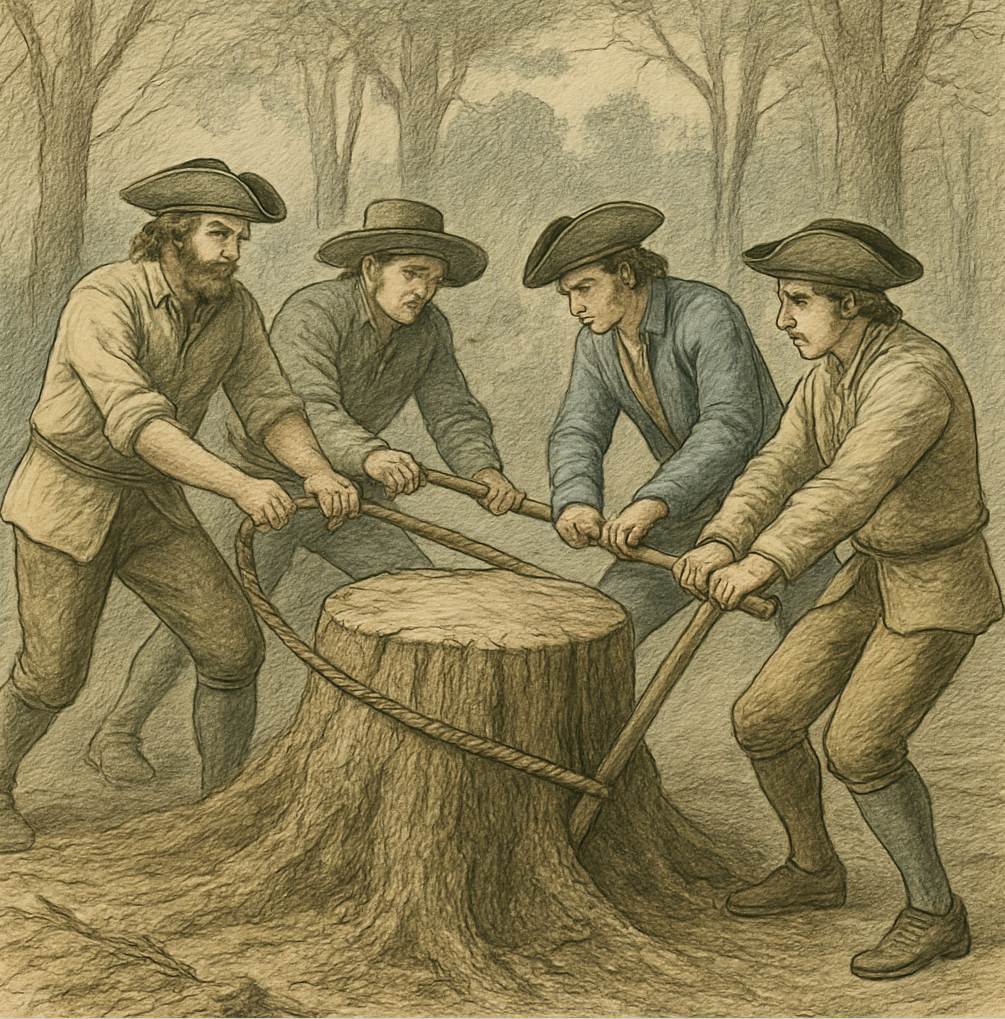
On the 18th-century frontier, formal governments were distant, but order still emerged—built not by statutes but by kinship, obligation, and shared survival. This post explores how families, neighbors, and land-hungry newcomers enforced their own rulebook, creating a system where power flowed through relationships as much as territory. Read more
-
Part III, Post 2 – The Frontier as Inheritance: How Romanticized History Hollowed the American Past
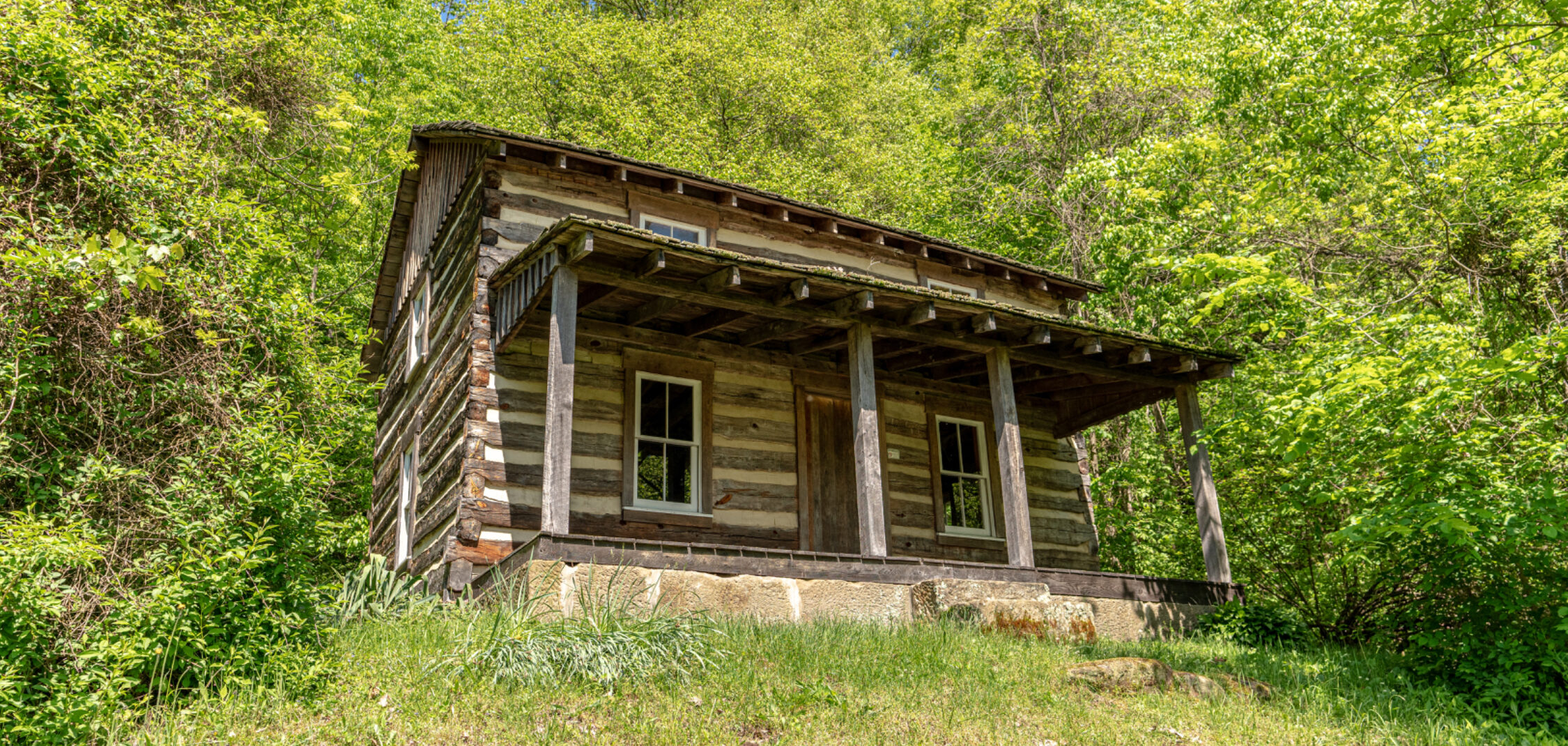
From children’s books to marble monuments, Americans inherit a frontier story polished clean of violence, contradiction, and Indigenous resistance. This post traces how those myths were built—and how they continue to hollow out our understanding of the past. The frontier wasn’t destiny; it was a narrative crafted to justify what came next. Read more
-
Part III, Post 1 -Lord Dunmore, John Connolly, and the Migration of Loyalties
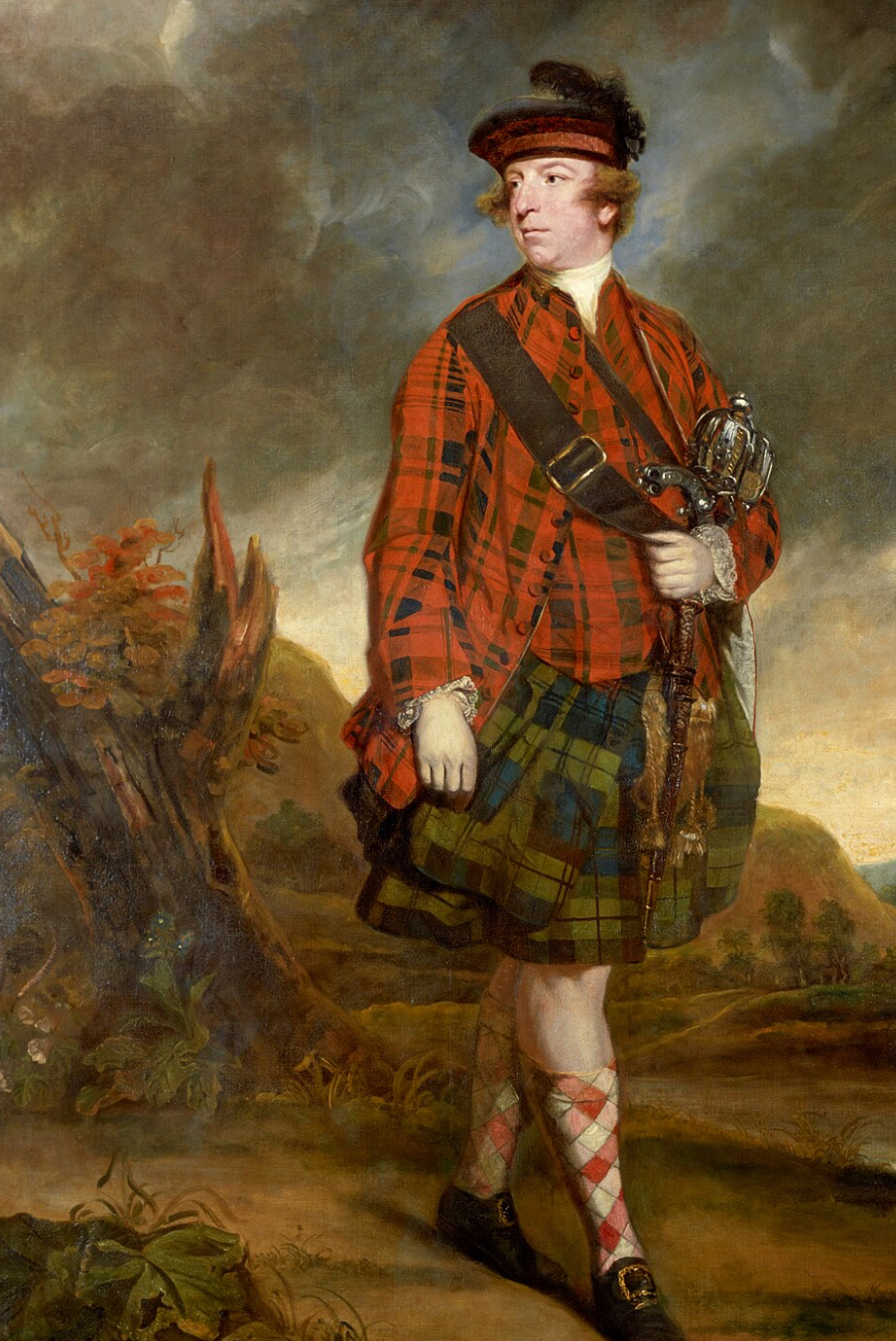
As tensions mounted across the Ohio Valley in 1774, the partnership between Lord Dunmore and John Connolly became a lightning rod for rumor, fear, and political intrigue. This post traces how their ambitions—and their shifting loyalties—reshaped the frontier and helped set the stage for war. Read more
-
Part II, Post 10 – The End of Coexistence at the Forks: Part II Recap
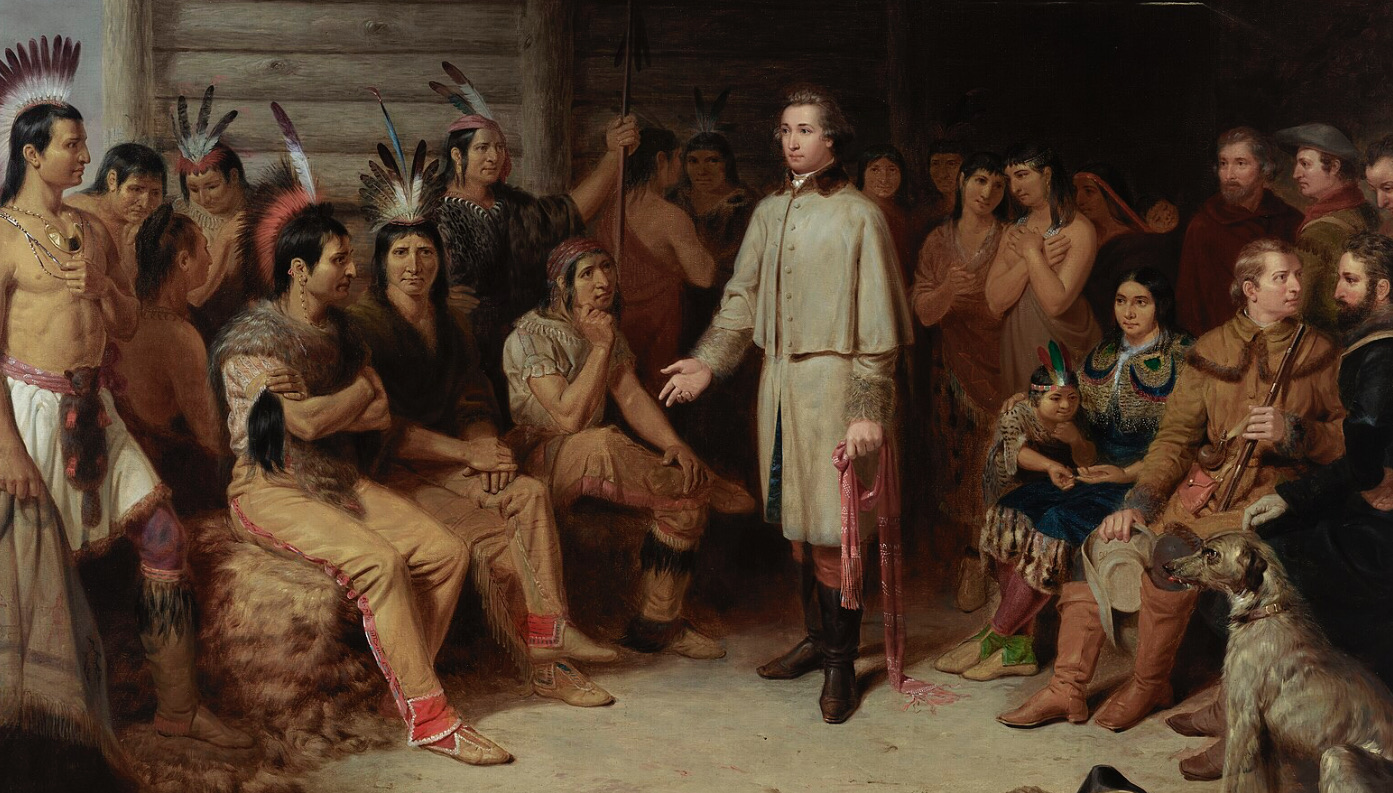
The Forks once served as a tenuous meeting ground—part marketplace, part battleground, part diplomatic theater. In this final post of Part II, we trace how traders, land magnates, and rival colonial governments transformed that fragile coexistence into open contest. What emerged was not merely conflict, but a fundamental shift in how people understood power, territory,… Read more
-
Part II, Post 9 -The Frontier Rulebook: Power, Possession, and Preemption
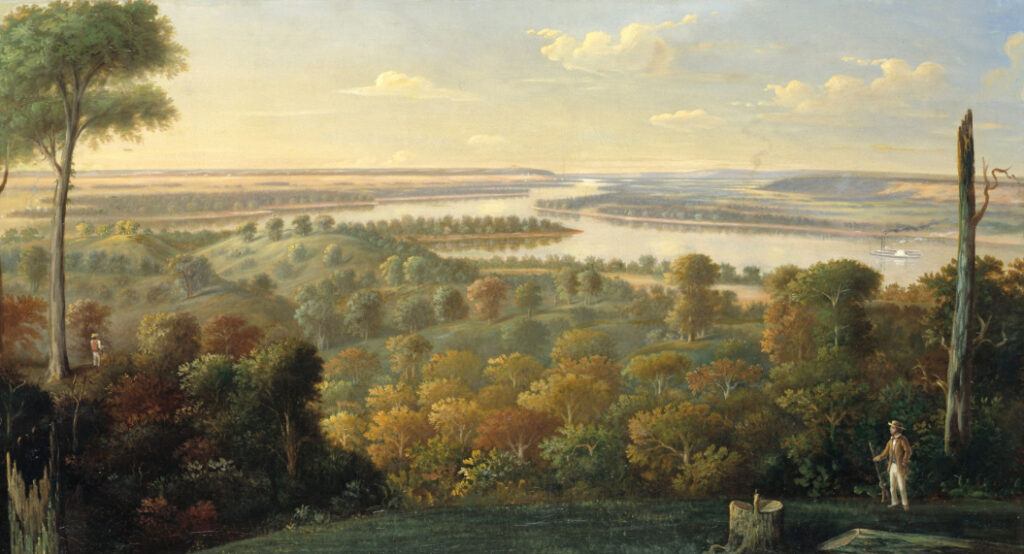
On the eighteenth-century frontier, there was no formal rulebook — only improvised laws of possession, trespass, and preemption. This post explores how settlers, speculators, and colonial authorities bent those rules to their advantage, transforming the Ohio Valley into a battleground of claims and counterclaims. What emerged was a system where power, not law, decided who… Read more
-
Part II, Post 8 – A Tangled Web of Claims and Rights

The Ohio Valley was never empty—it was entangled. Competing claims from Native nations, speculators, squatters, colonial governments, and private companies overlapped like snarled threads, each pulling against the others. In this post, we unravel how conflicting rights and dubious titles created a landscape where law bent easily, ambition flourished, and violence became inevitable. Read more
-
Adventures of a History Nerd: An Introduction – 01
I was predestined to want to see more. My great-grandma on my mom’s side grew up in Maine, joined the Army during World War II, lived in Germany for a time after the war, and traveled to the Great Wall of China. My dad was his own kind of traveler in the Air Force, at Read more
-
Part II, Post 7 – A Contest of Colonels: Croghan, Washington, and the Empire of Speculation
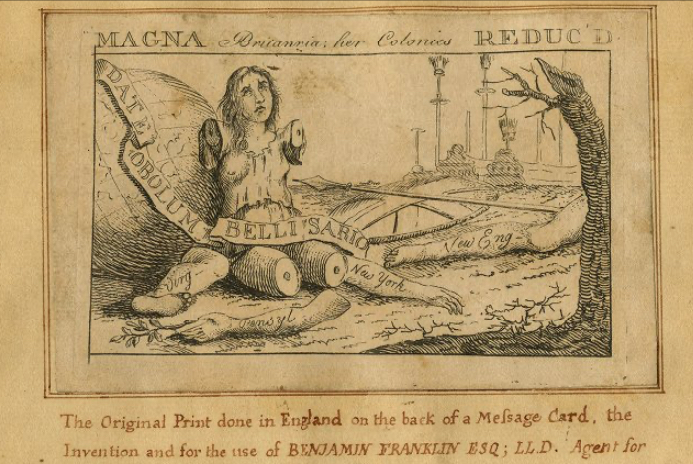
The Ohio Valley was never just a frontier—it was a battleground of ambition. Before muskets cracked in 1775, men like George Croghan and George Washington were already fighting a quieter war: a competition for land, alliances, and control of the West. Their rivalry reveals a world where speculation was strategy, diplomacy was currency, and the… Read more