Category: Savage Spring Series
-
Part II, Post 1 – Traders at the Crossroads: Gibson, the Butlers, and the Ohio Exchange
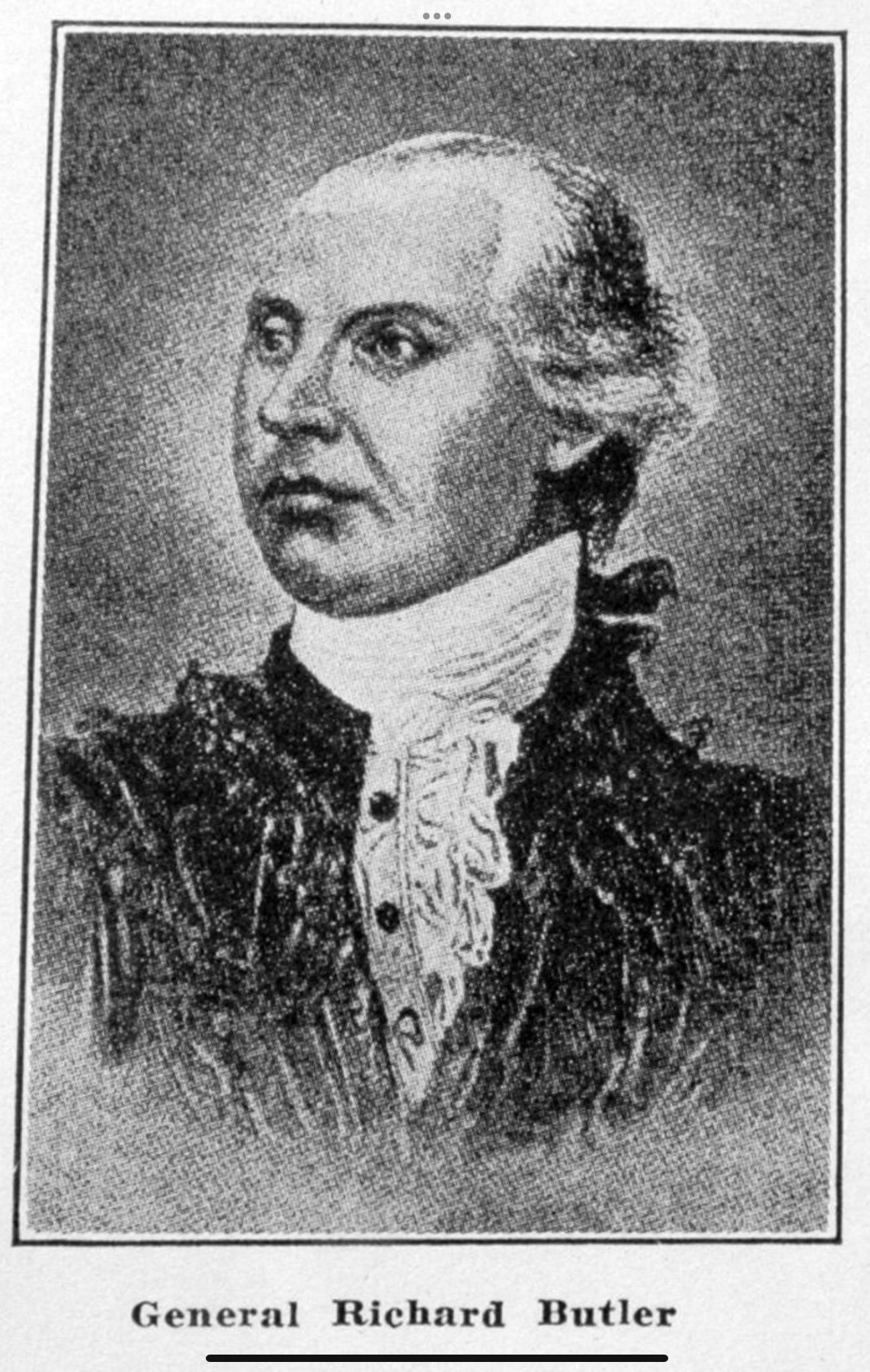
Long before armies marched or treaties were signed, traders like George Gibson and the Butler brothers shaped the Ohio frontier through commerce, negotiation, and fragile alliances. Their world of credit, kinship, and cultural translation reveals how trade—not war—first bound settlers and Native nations together, and how those same ties helped unravel the region on the… Read more
-
Part I, Post 11 – Part I Recap: The Ohio as Fault Line
The Ohio River was never just a boundary—it was a cultural, economic, and political fault line. In this recap of Part I, we trace how land pressure, colonial ambition, Native diplomacy, and simmering tensions set the stage for the violent unraveling of 1774. What looked like surface peace was already cracking beneath the weight of… Read more
-
Part I, Post 10 -Conclusion to Part One: Surface Peace, Submerged Tensions
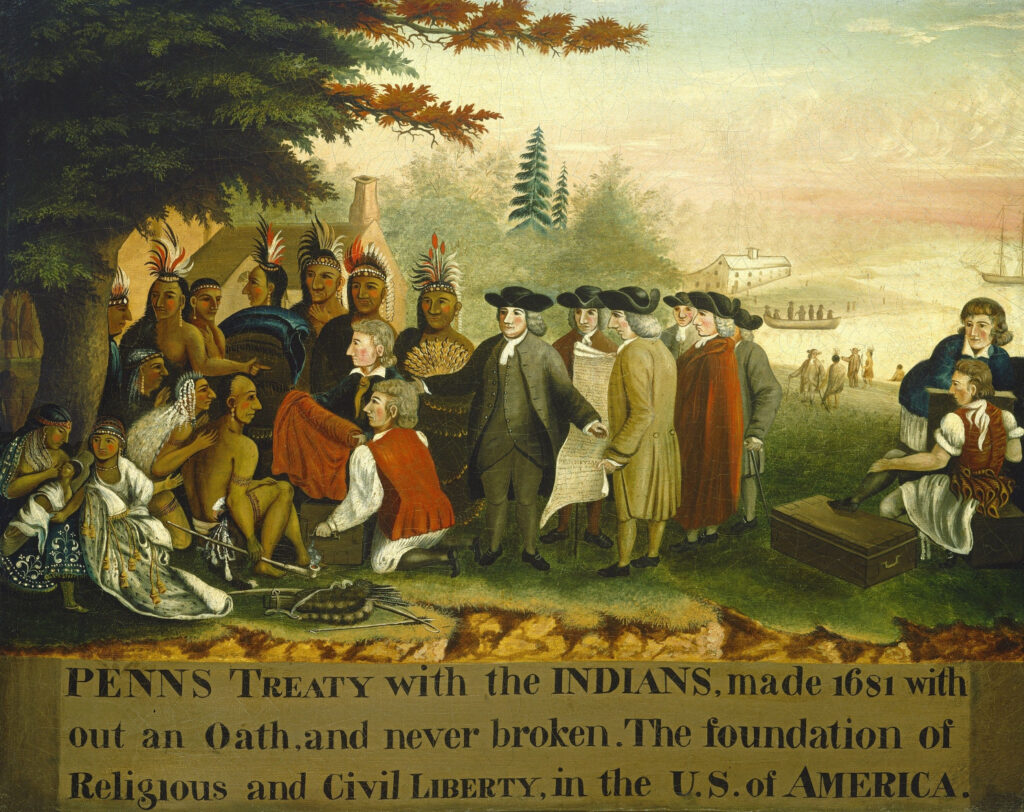
As 1774 approaches, the Upper Ohio River Valley appears calm—yet beneath the surface, tensions between settlers, Native nations, and imperial authorities simmer toward violence. This conclusion to Part I of Savage Spring traces how diplomacy, trade, land hunger, and rumor reshaped a fragile frontier world on the brink of war. Read more
-
Part I, Post 9 – The Coin of the Frontier: Beaver and the Fur Economy
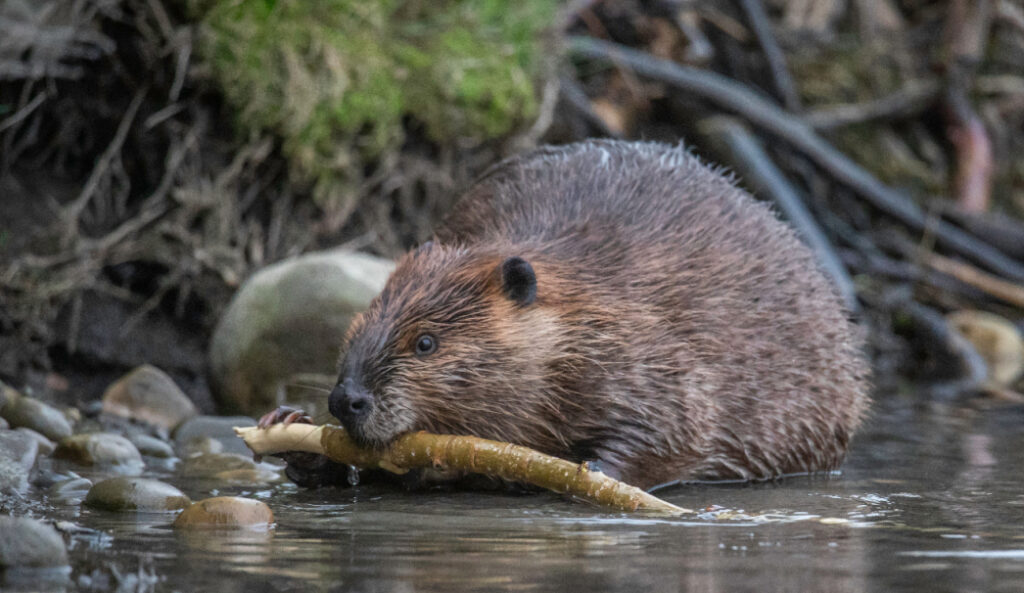
Before land companies carved up the Ohio Valley, beaver had already financed an empire of trade, diplomacy, and violence. This post explores how the fur economy shaped alliances, fueled rivalries, and set the stage for the territorial battles that followed. On the 18th-century frontier, beaver wasn’t just a resource—it was currency. Read more
-
Part I, Post 8 – Ledgers on the Frontier
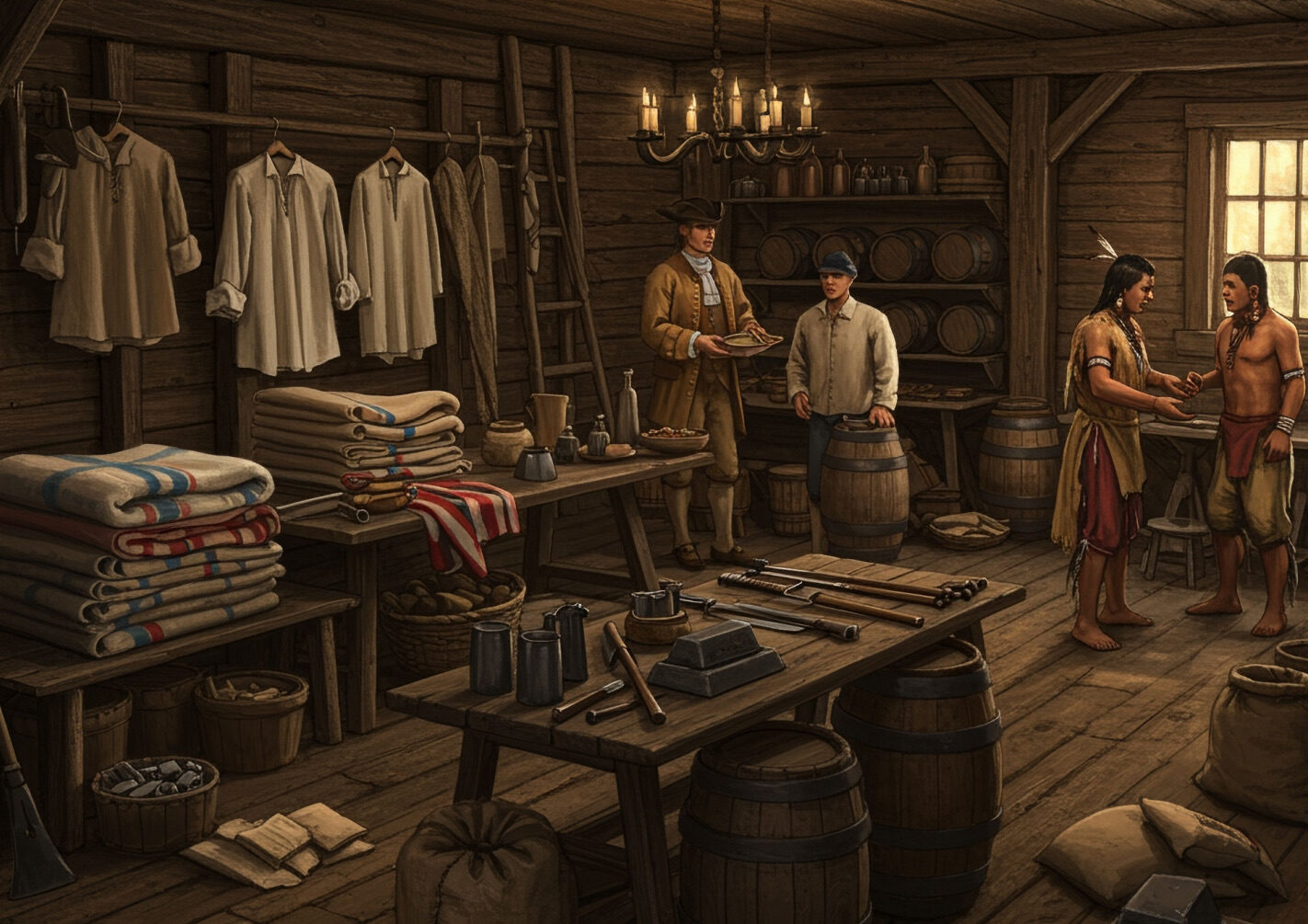
A frontier is often remembered for its violence, but its ledgers reveal a quieter truth: debt, credit, barter, and the fragile web of trust that bound settlers and Native communities long before the shooting started. Ledgers on the Frontier examines how accounts kept in ink shaped motives, alliances, and betrayals in the Upper Ohio River… Read more
-
Part I, Post 7 – The Specter and the Changelings: War on Virginia’s Children
In the late 1760s and early 1770s, frontier Virginia lived with a haunting contradiction: settler fears of Native “raids” collided with the reality that it was Virginia’s own expansion, rumors, and reprisals that placed children at the center of escalating violence. This post unravels the myths that hardened into memory, the stories parents told to… Read more
-
Part I, Post 6 – Rum, Prophets, and War
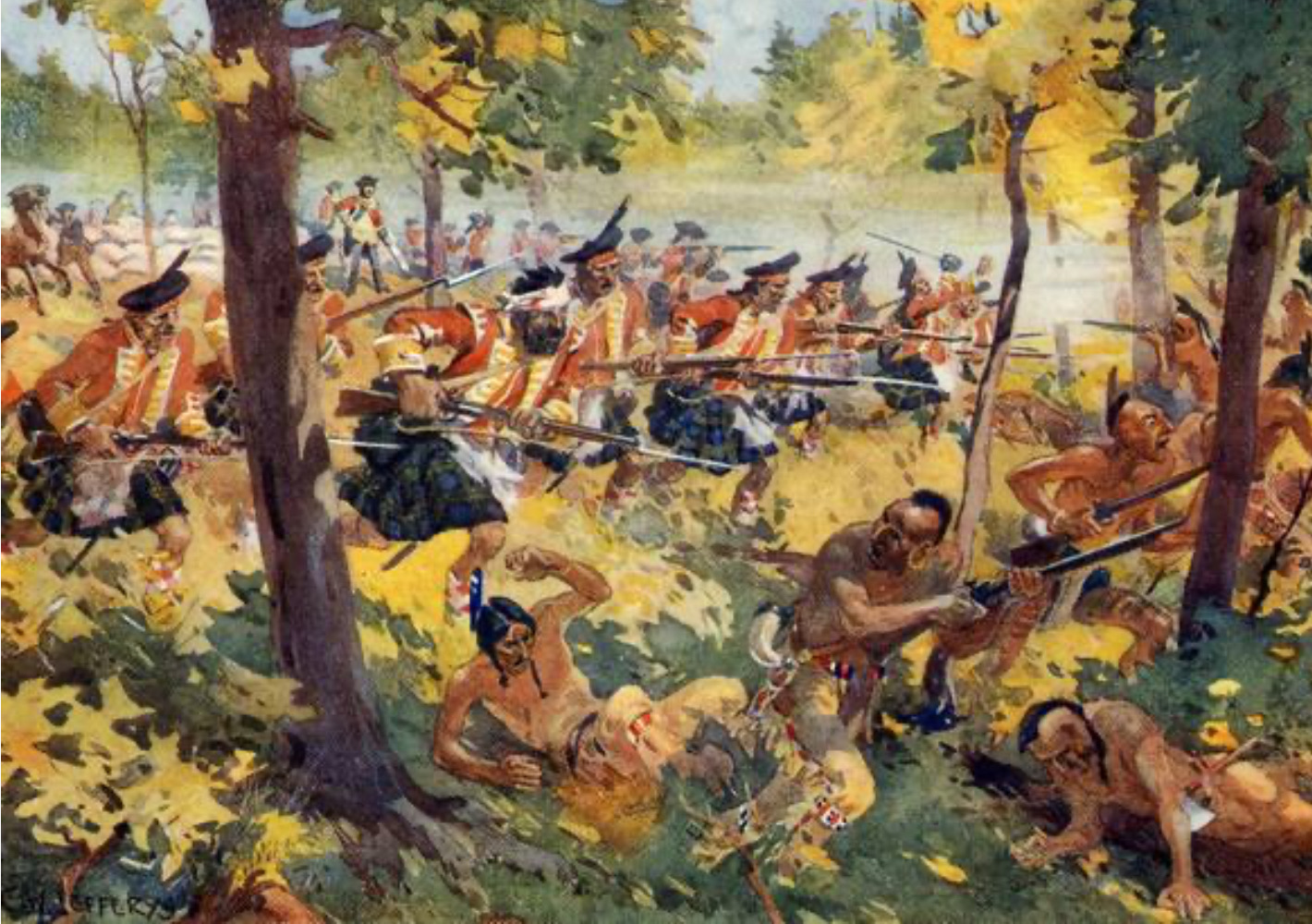
A frontier in crisis seldom breaks all at once. Before the Ohio Valley ignited in 1774, its warning signs came in quieter forms: the spread of rum, the rise of prophets, and the unraveling of trust between Native nations and colonial officials. From Seneca visionaries to Shawnee diplomats trying to hold the line, this was… Read more
-
Part I, Post 5 – Fort Duquesne: Black Heart of the North American Hinterland
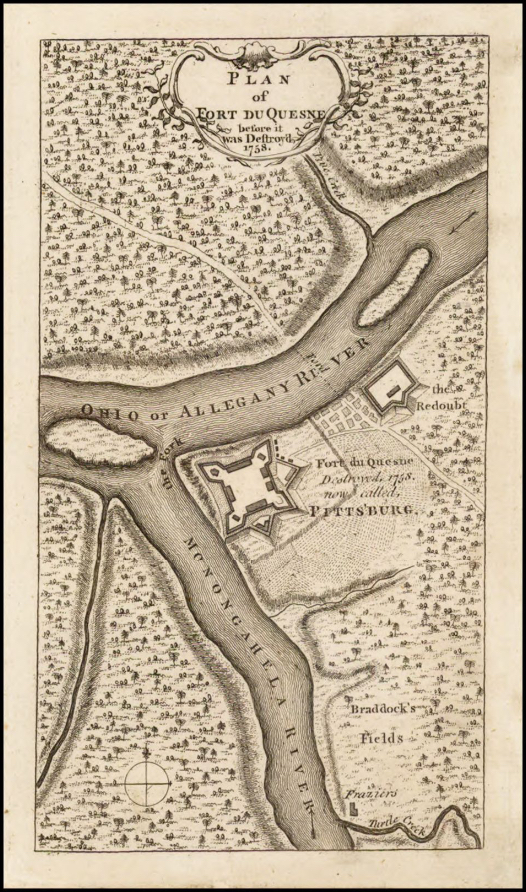
Fort Duquesne was more than a military post. It was a crossroads of empire, trade, and Indigenous resistance—a contested heart of the interior whose fall and rebirth shaped the future of the Ohio Valley. Read more
-
Part I, Post 4 – Shikellamy: Between Nations
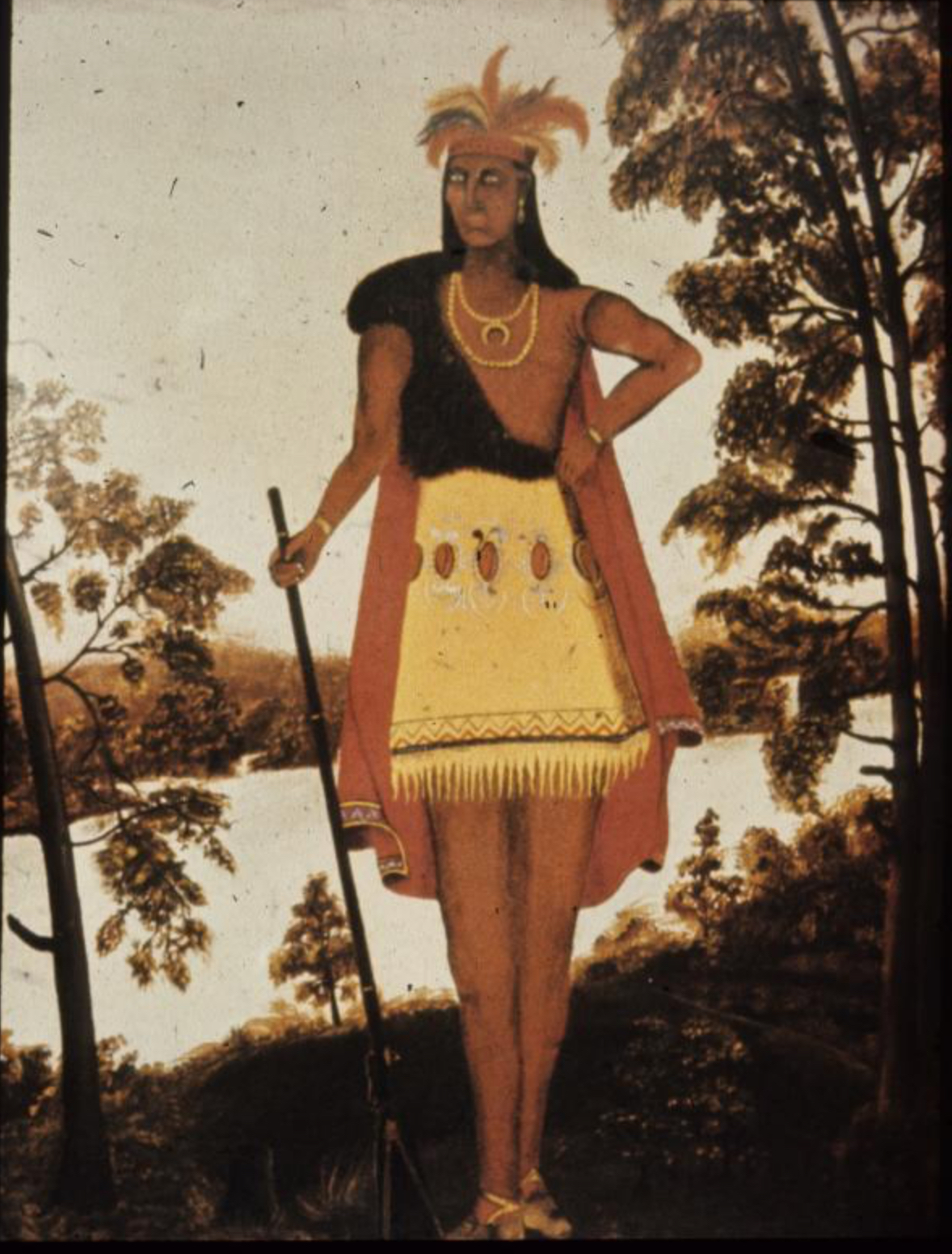
Shikellamy moved between worlds—Haudenosaunee, Lenape, and colonial—carrying the burden of diplomacy in an age of encroachment. His life reveals a frontier defined not only by violence but by negotiation, compromise, and impossible choices. Read more
-
Part I, Post 3 – What’s in a Name? Colonization and the Erasure of Native Identity
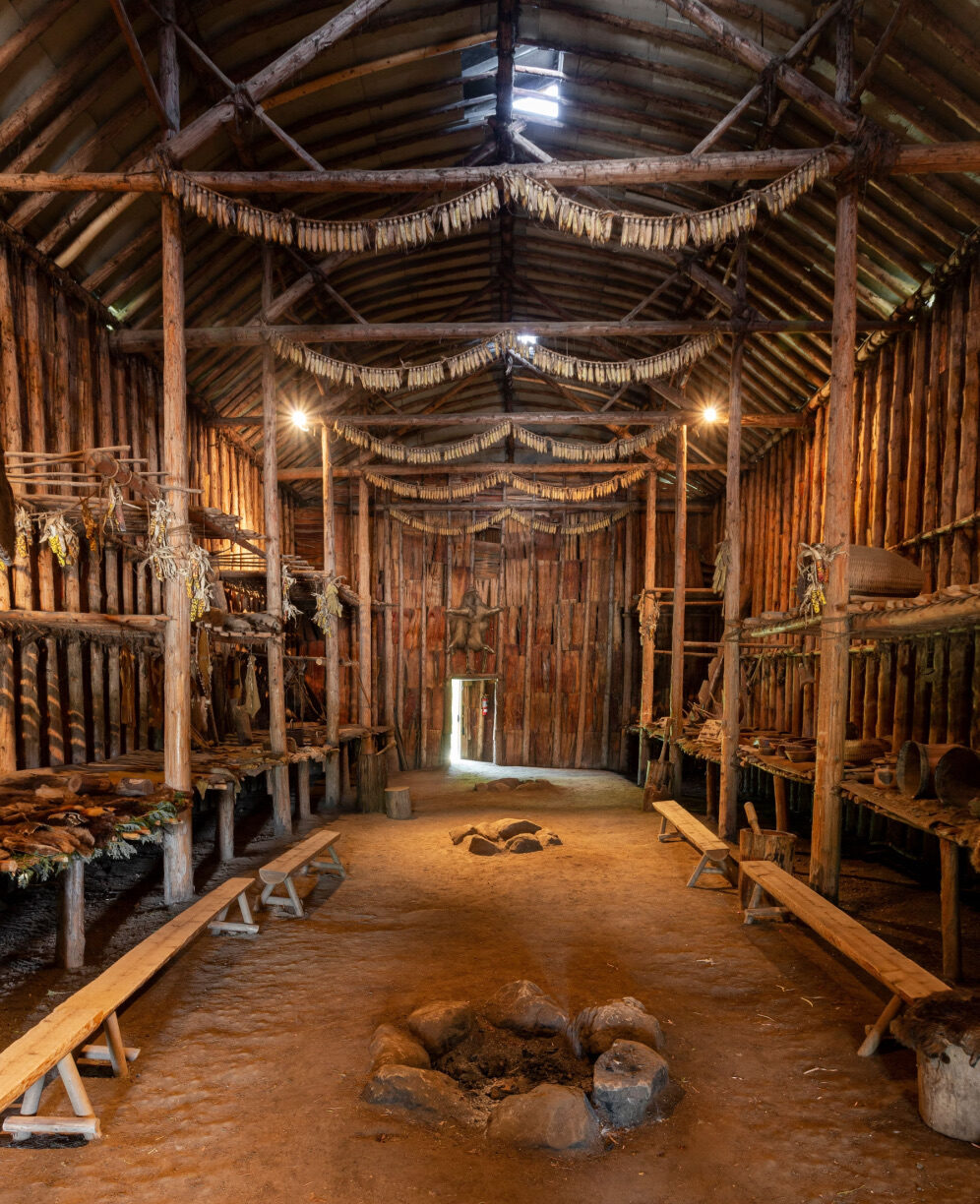
Names are not neutral. Colonial scribes recast Native places and people into English molds, erasing identities even as they recorded them. This piece explores how language became a tool of conquest long before the first shot was fired. Read more
-
Part I, Post 2 – Westward Pressure: Immigration, Land Hunger, and the Push to Reach the Ohio
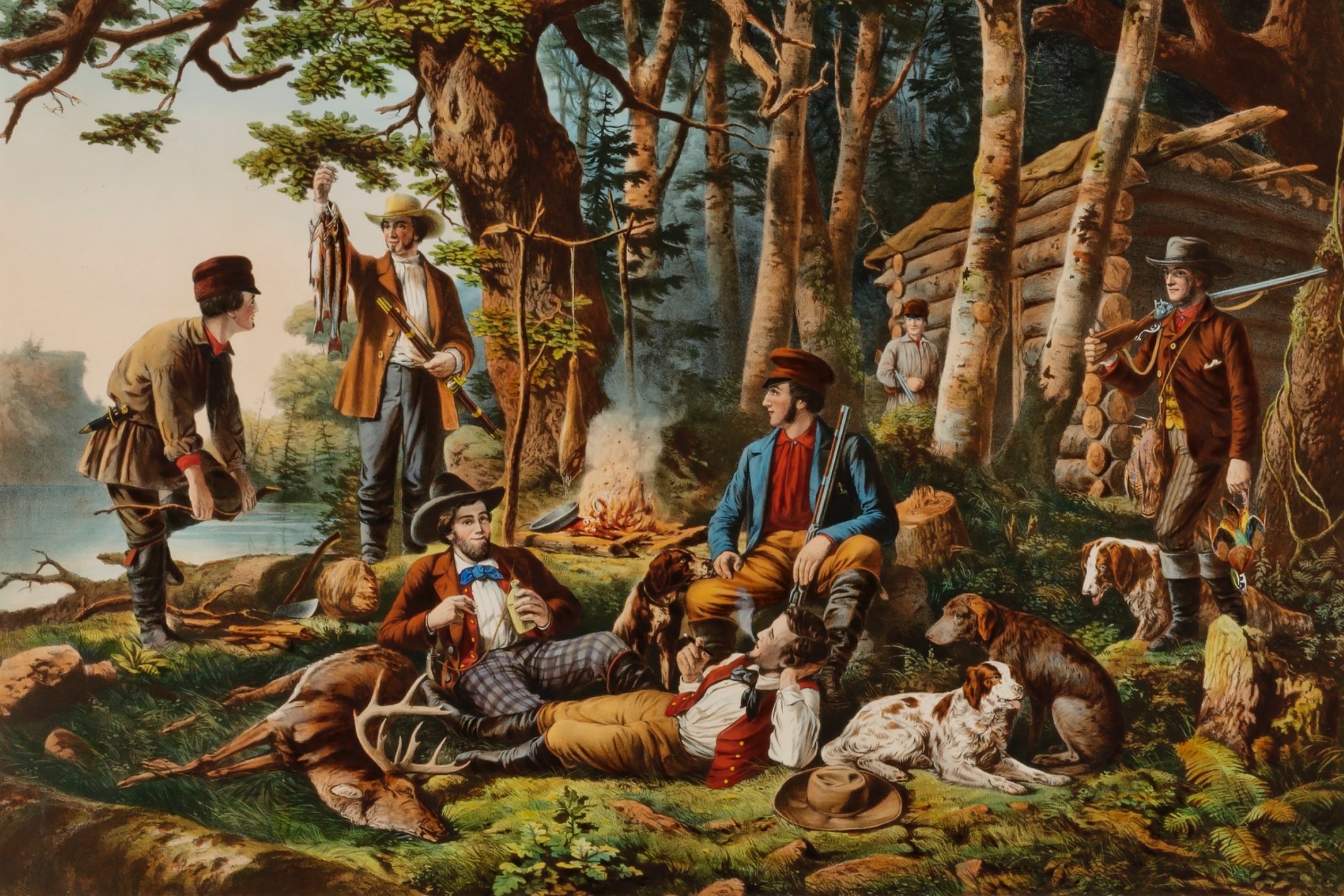
As waves of newcomers pressed west, the Ohio River became more than a boundary—it became an obsession. This post examines how migration, speculation, and imperial ambition created a combustible frontier where every newcomer altered the balance of power. Read more
-
Part I, Post 1 – Savage Spring: 1774 and the Mob Violence in the Upper Ohio River Valley
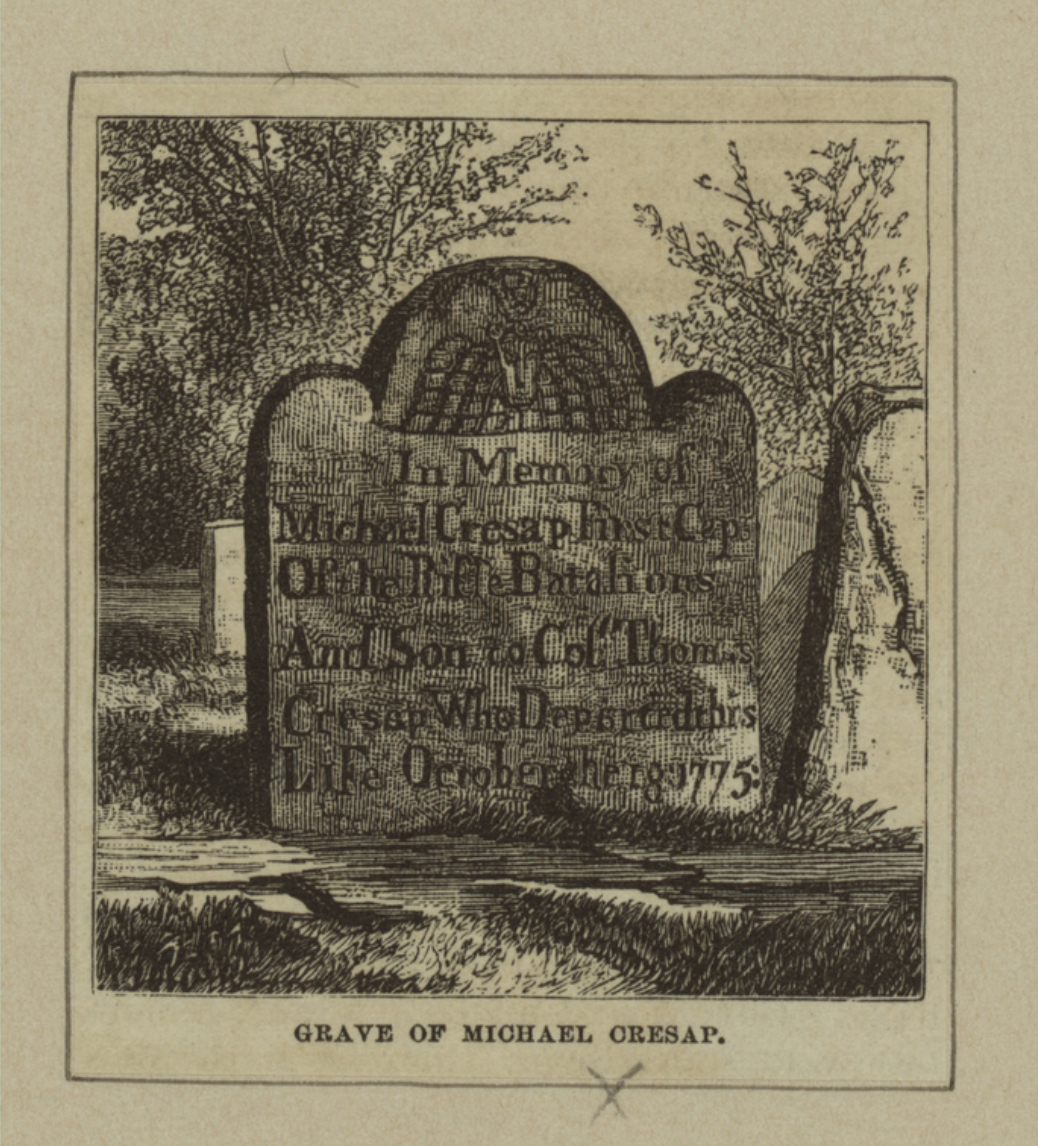
In the spring of 1774, fear moved faster than truth. Rumors, reprisals, and frontier justice collided along the Ohio, reshaping a region already stretched thin by land hunger and political uncertainty. This is the story of how a single season pushed the valley toward war. Read more