Tag: part2
-
Part II, Post 9 -The Frontier Rulebook: Power, Possession, and Preemption
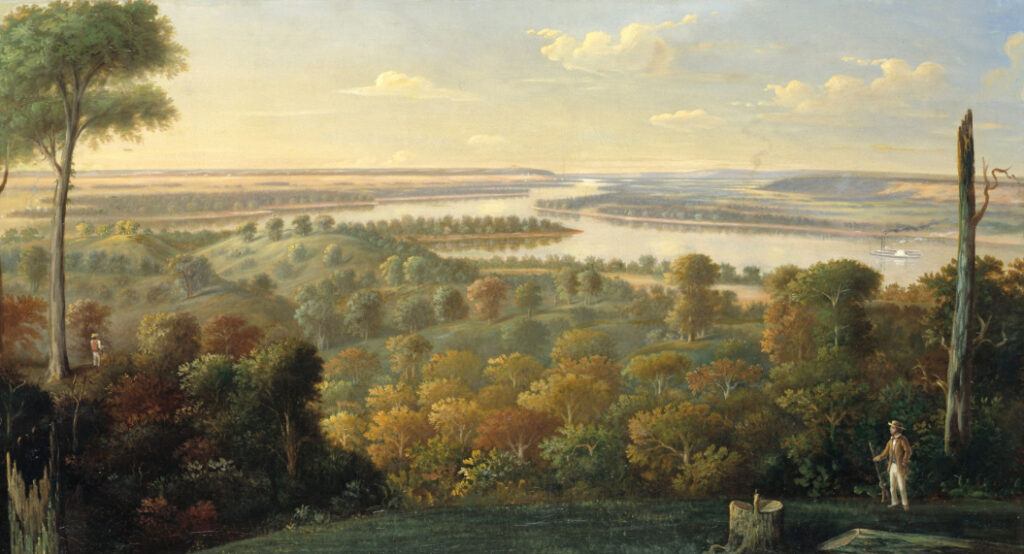
On the eighteenth-century frontier, there was no formal rulebook — only improvised laws of possession, trespass, and preemption. This post explores how settlers, speculators, and colonial authorities bent those rules to their advantage, transforming the Ohio Valley into a battleground of claims and counterclaims. What emerged was a system where power, not law, decided who… Read more
-
Part II, Post 10 – The End of Coexistence at the Forks: Part II Recap
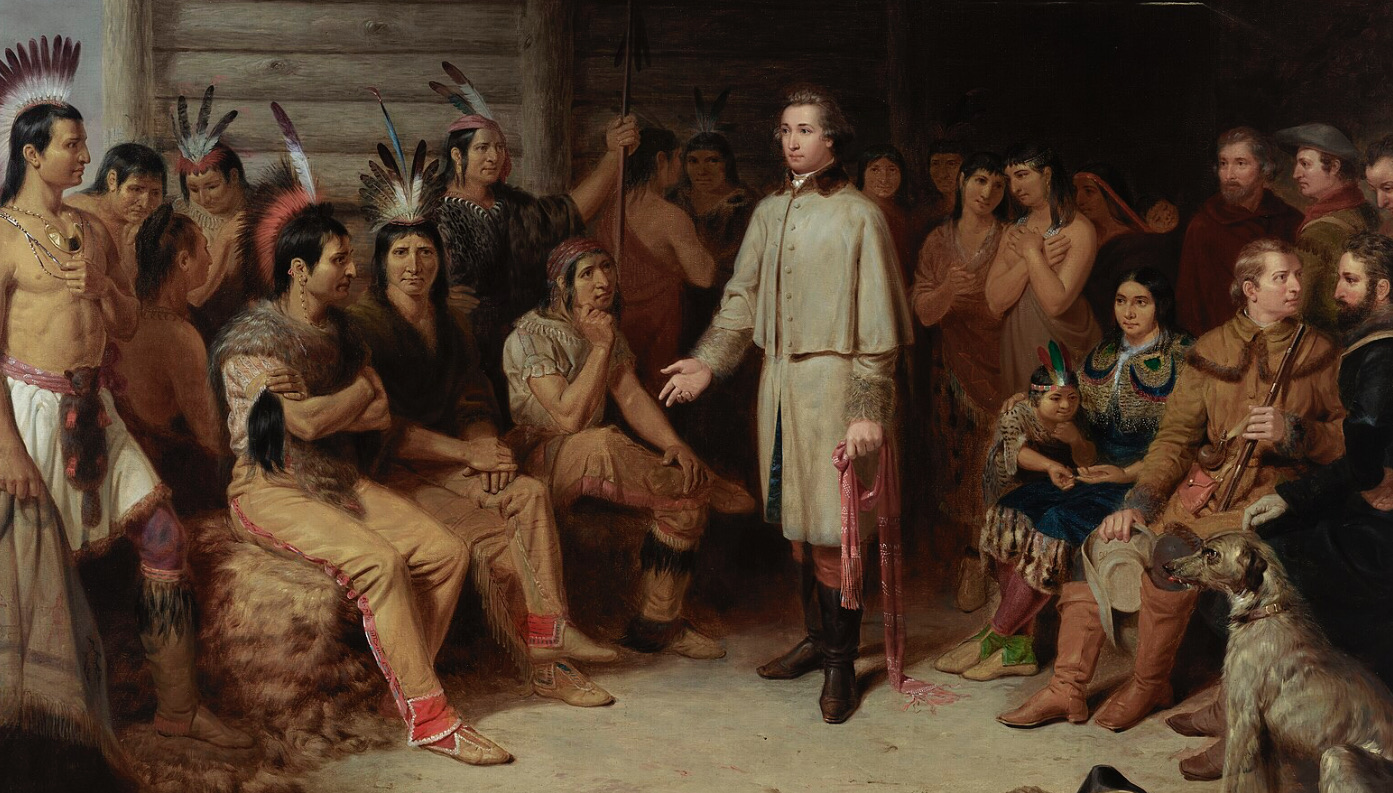
The Forks once served as a tenuous meeting ground—part marketplace, part battleground, part diplomatic theater. In this final post of Part II, we trace how traders, land magnates, and rival colonial governments transformed that fragile coexistence into open contest. What emerged was not merely conflict, but a fundamental shift in how people understood power, territory,… Read more
-
Part II, Post 8 – A Tangled Web of Claims and Rights
The Ohio Valley was never empty—it was entangled. Competing claims from Native nations, speculators, squatters, colonial governments, and private companies overlapped like snarled threads, each pulling against the others. In this post, we unravel how conflicting rights and dubious titles created a landscape where law bent easily, ambition flourished, and violence became inevitable. Read more
-
Part II, Post 7 – A Contest of Colonels: Croghan, Washington, and the Empire of Speculation
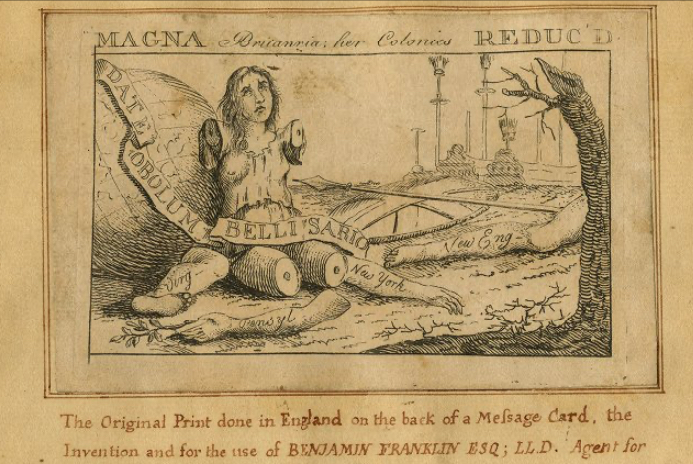
The Ohio Valley was never just a frontier—it was a battleground of ambition. Before muskets cracked in 1775, men like George Croghan and George Washington were already fighting a quieter war: a competition for land, alliances, and control of the West. Their rivalry reveals a world where speculation was strategy, diplomacy was currency, and the… Read more
-
Part II, Post 6 -Claiming the Frontier: Squatters and the Vacuum of Authority
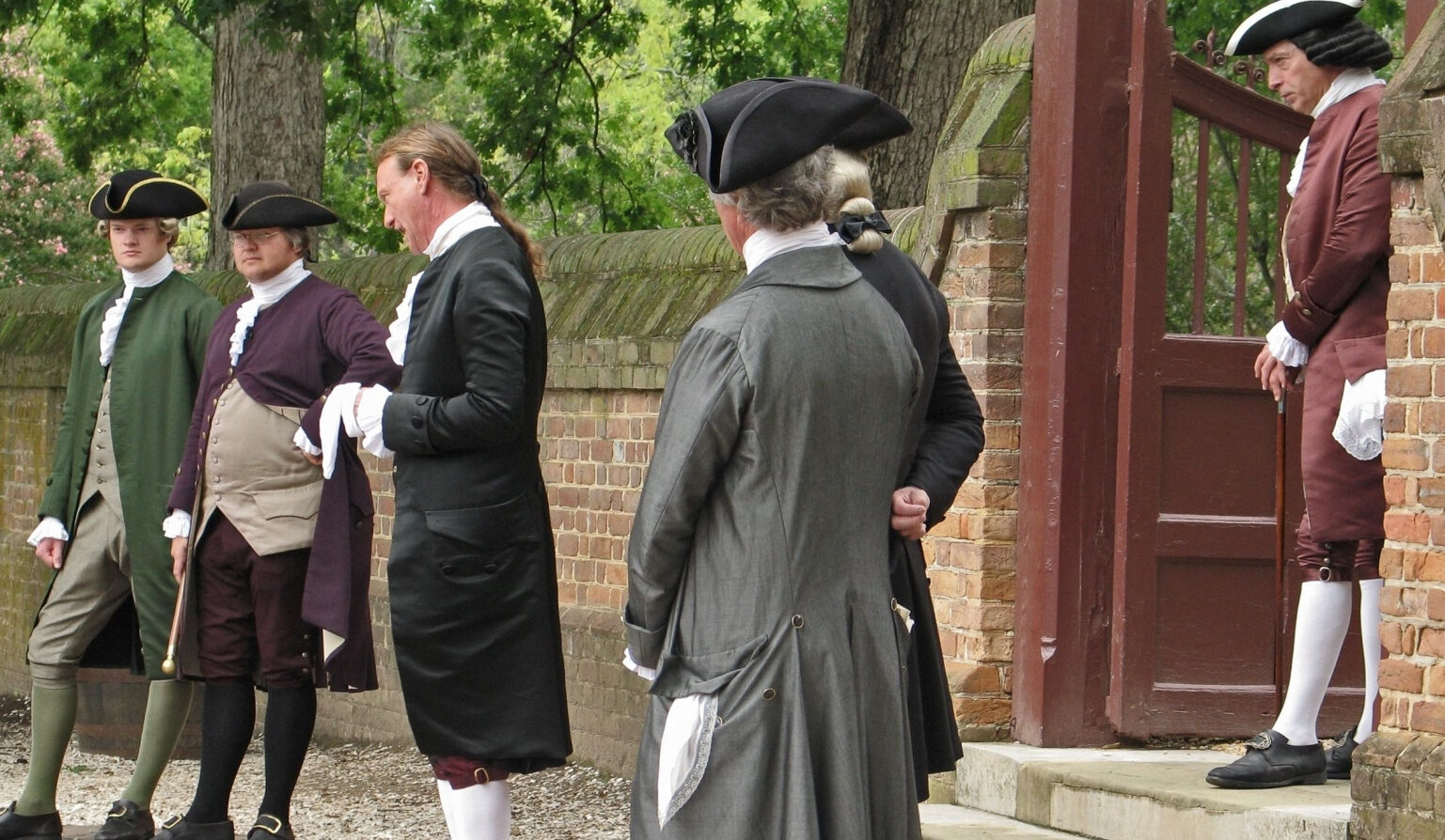
As imperial boundaries blurred and officials failed to control the western borderlands, squatters filled the void. In the early 1770s Ohio Valley, the lack of enforceable law collided with rising land speculation, producing a chaotic world where settlers claimed land first and justified it later. This post examines how these competing pressures—speculation, desperation, and political… Read more
-
Part II, Post 5 – Captain Bull: From Ally to Villain to Victim
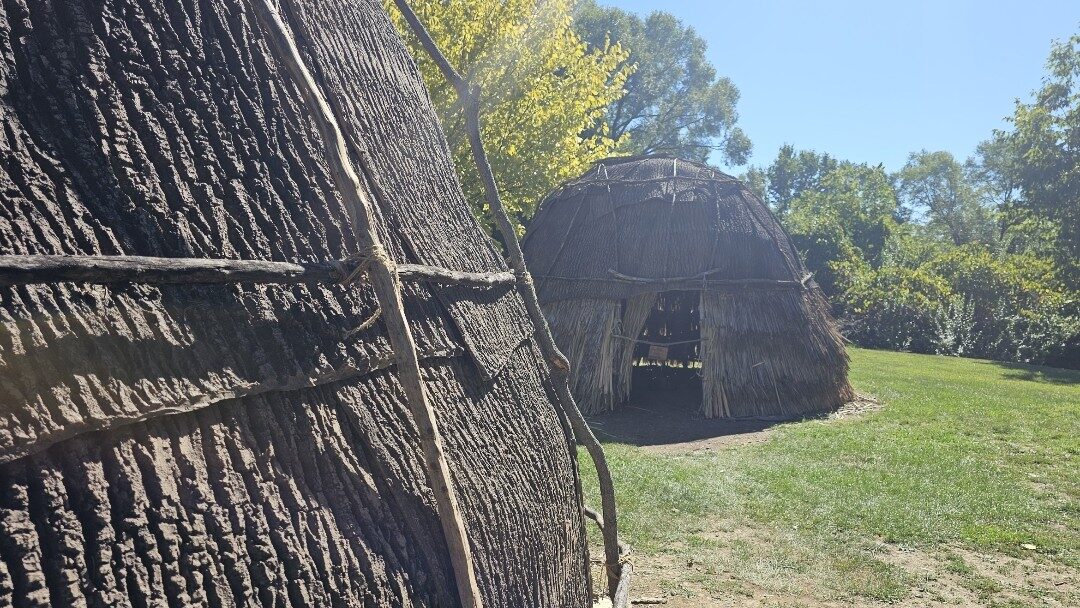
Captain Bull’s life on the 18th-century frontier defies easy labels. Once welcomed as a diplomatic partner and military ally, he later became a symbol of settler fear—only to end his story as a victim of the very violence he sought to navigate. His trajectory captures the instability of the Ohio Valley, where alliances unraveled quickly,… Read more
-
Part II, Post 4 – Before He Was President: George Washington the Land Magnate
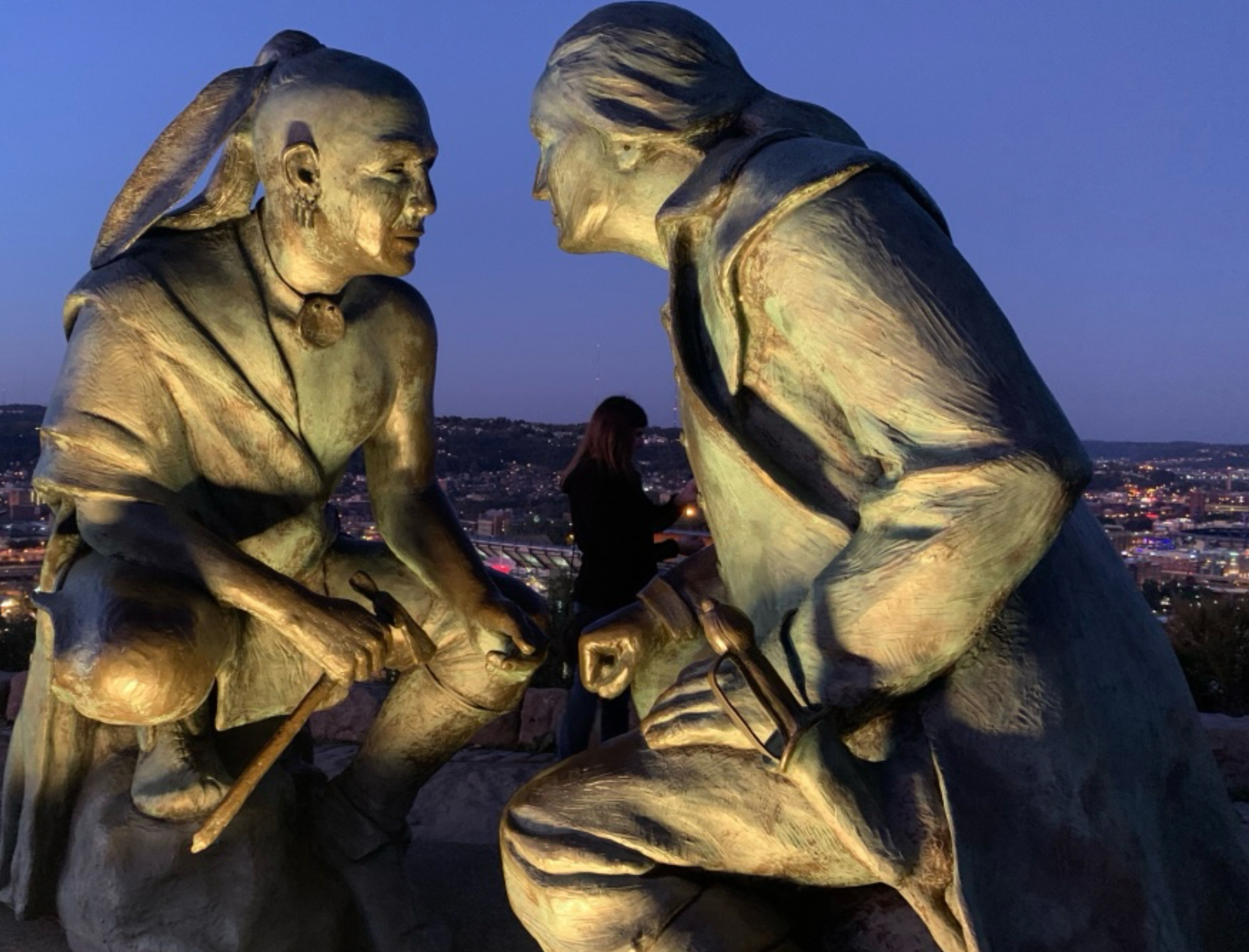
Long before he became a statesman, George Washington was a land speculator with enormous ambition. His surveys, secret partnerships, and relentless pursuit of western acreage reveal a man deeply invested in the fate of the Ohio Valley. This post examines Washington’s speculative empire—and how his pursuit of land foreshadowed the conflicts that would engulf the… Read more
-
Part II, Post 3 – Before the Forts: The Ohio River as Artery and Boundary
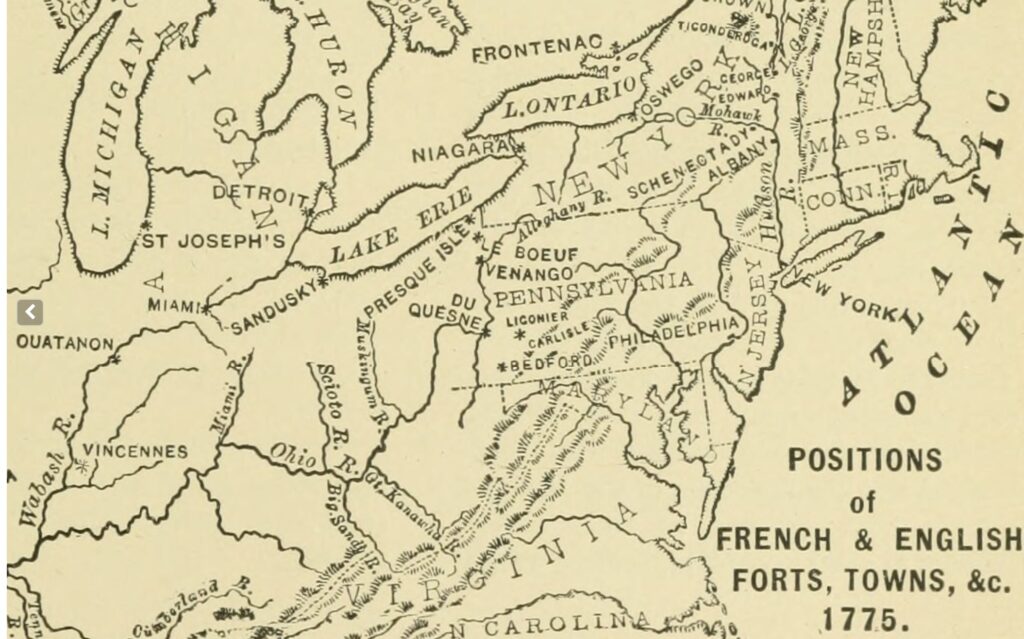
Before the first forts rose along its banks, the Ohio River was already a defining force in the interior of North America—a highway of trade, diplomacy, and conflict. This post examines how Native nations used the river long before colonists arrived, and how it became the boundary that shaped an emerging frontier. Read more
-
Part II, Post 2 – Croghan’s Black Eye: Rum, Horse Theft, and a New Colony Called Vandalia
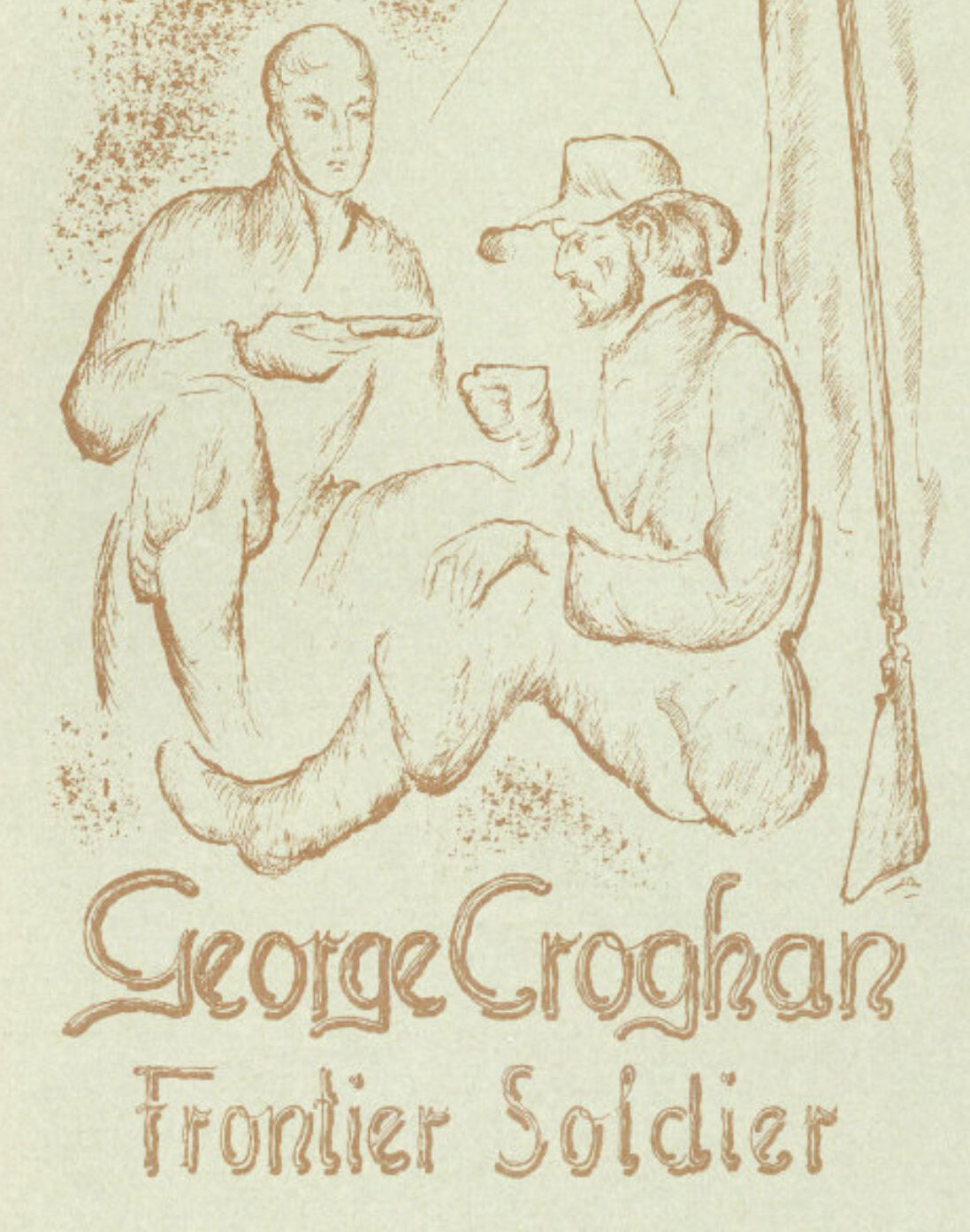
Before the first shots of Dunmore’s War, George Croghan—Britain’s most ambitious Indian agent—found his fortunes unraveling in a tangle of rum debts, stolen horses, and political intrigue. This is the story of how one scandal helped derail a colonial dream called Vandalia. Read more
-
Part II, Post 1 – Traders at the Crossroads: Gibson, the Butlers, and the Ohio Exchange
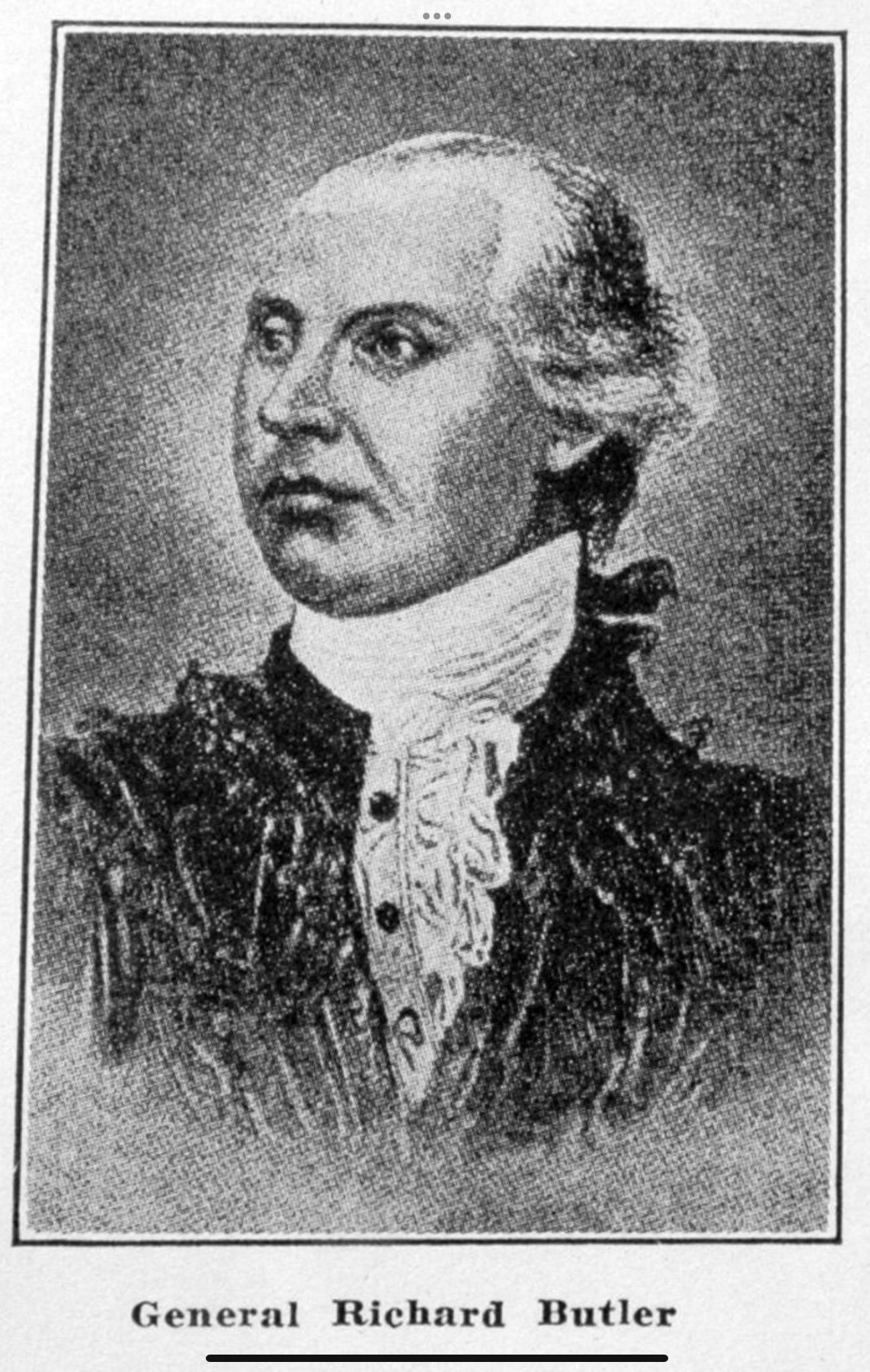
Long before armies marched or treaties were signed, traders like George Gibson and the Butler brothers shaped the Ohio frontier through commerce, negotiation, and fragile alliances. Their world of credit, kinship, and cultural translation reveals how trade—not war—first bound settlers and Native nations together, and how those same ties helped unravel the region on the… Read more